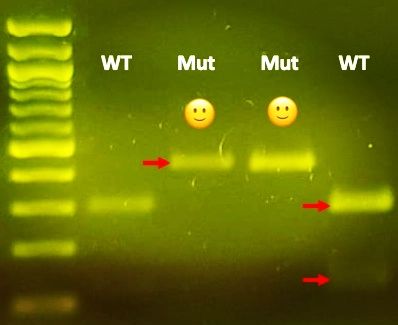
Para detectar de forma rápida y económica las plantas de trigo transformadas que contienen la mutación generada por CRISPR en nuestro gen favorito, en el NGPlab identificamos sitios de enzimas de restricción que se pierden debido a la mutación. Así, si la maquinaria CRISPR-Cas9 logró generar la mutación en nuestro gen de interés, en un gel de agarosa se verá solo «1 banda», que no puede ser digerida por las enzimas de restricción y corresponderá a una planta mutante. Esto es lo opuesto a lo que se observa en las plantas silvestres, donde aparecen «dos bandas» generadas por el corte de la enzima. De esta forma, verificamos por secuenciación directa solo los posibles mutantes y optimizamos los recursos del laboratorio.
To quickly and inexpensively detect wheat transformant plants that contain the mutation in our favorite gene generated by CRISPR, in NGPlab, we have identified restriction enzyme sites lost due to the mutation. So, if the CRISPR-Cas9 machinery managed to generate the mutation in our gene of interest, only «1 band» will be seen in an agarose gel, which cannot be digested by the restriction enzymes and will correspond to a mutant plant!!!!. This is opposite to what is observed in wild-type plants, where you will see the presence of «two bands» generated by the enzyme cutting. This way, we verify only the possible mutants by direct sequencing and optimize the lab’s resources.
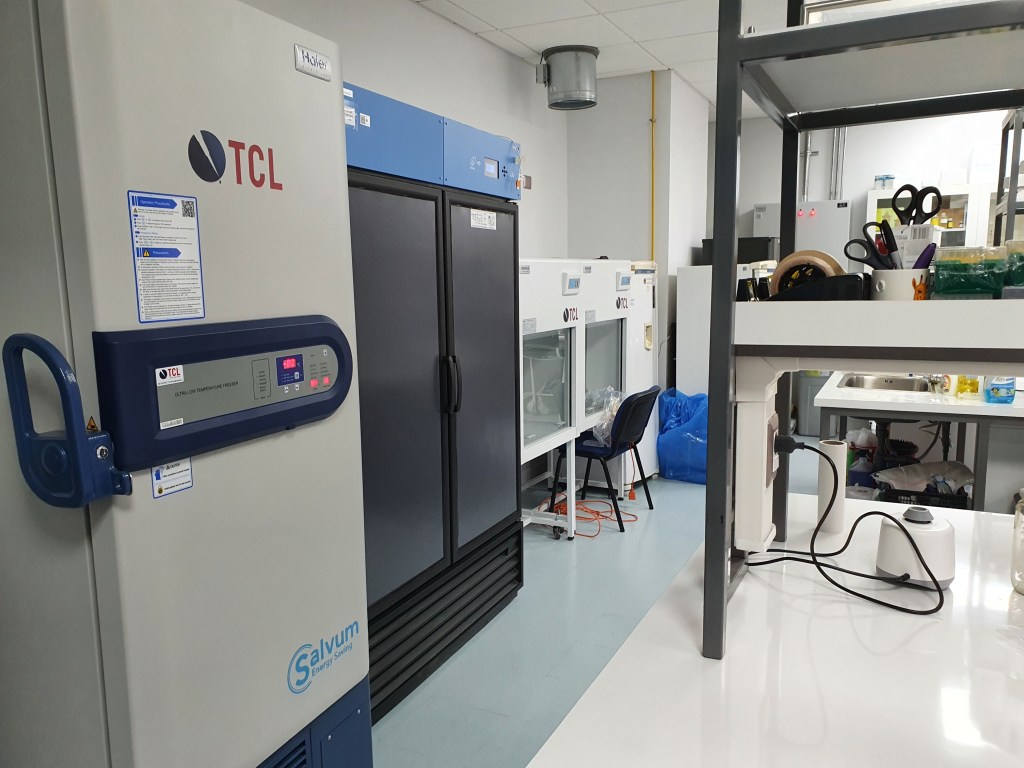
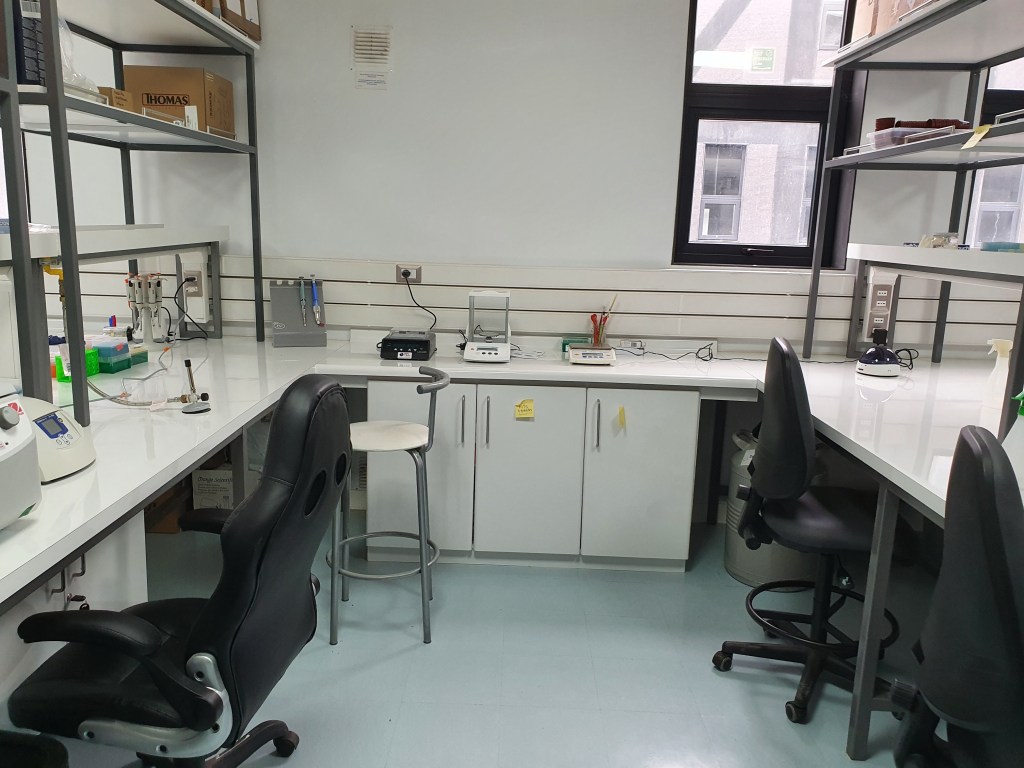
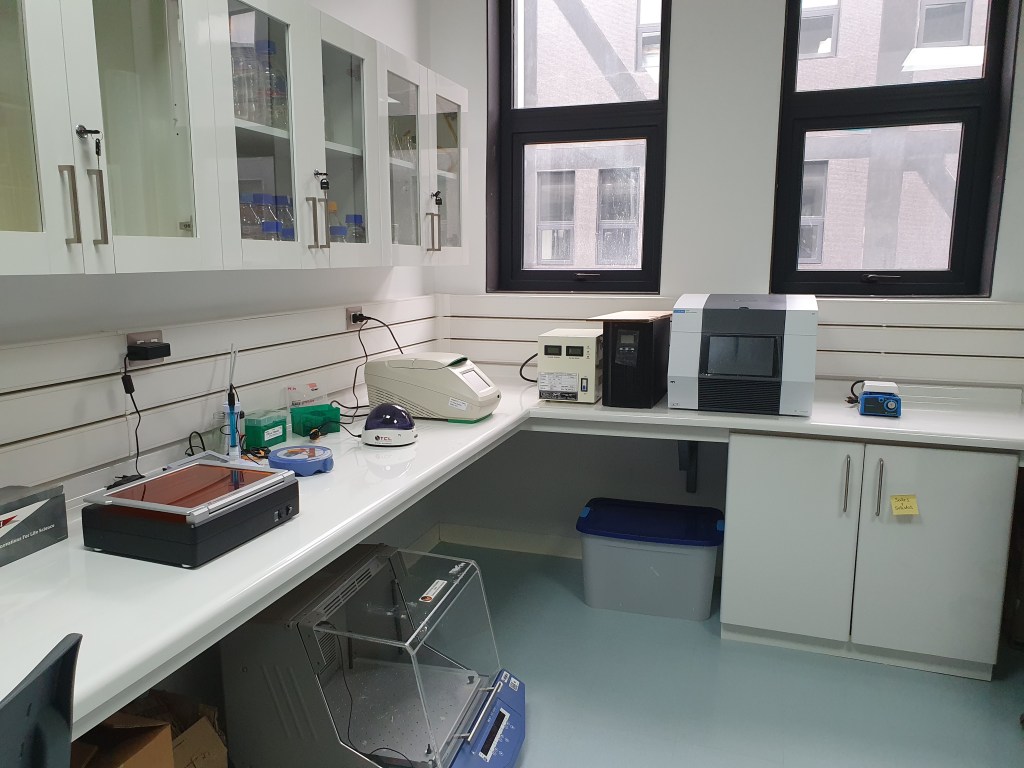
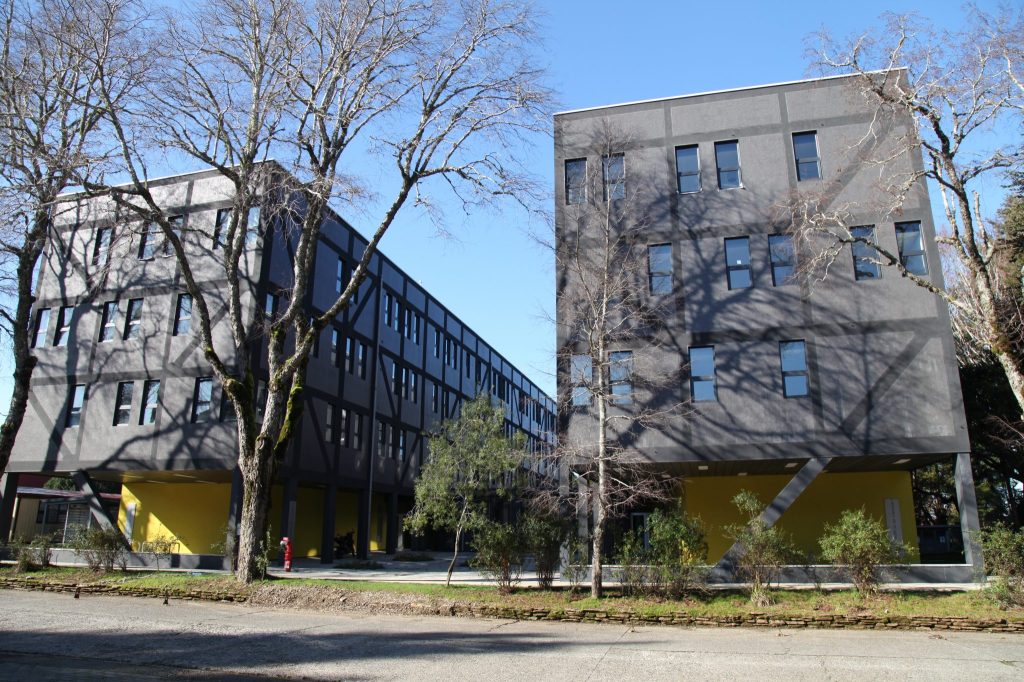
Estamos muy felices con las nuevas instalaciones del NGPlab en el Instituto de Bioquímica y Microbiología (Valdivia, Chile). Muy agradecidos de la Universidad Austral de Chile.
We are very excited about the new NGPlab facilities at the Institute of Biochemistry and Microbiology (Valdivia, Chile). Very grateful to the Universidad Austral de Chile
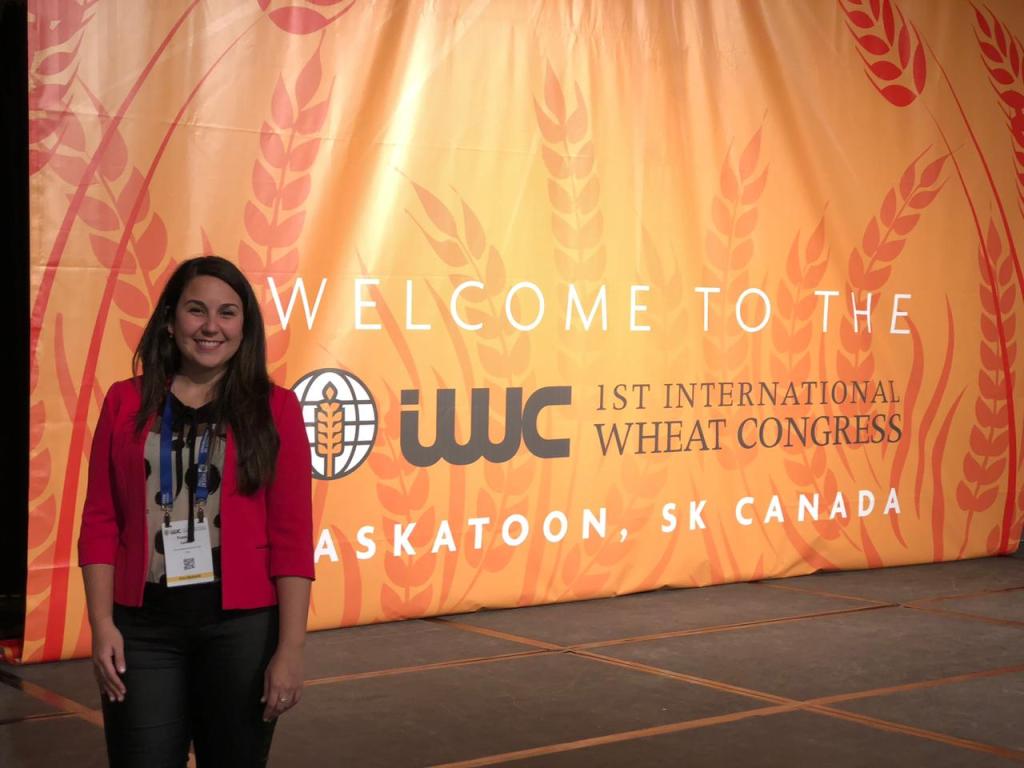
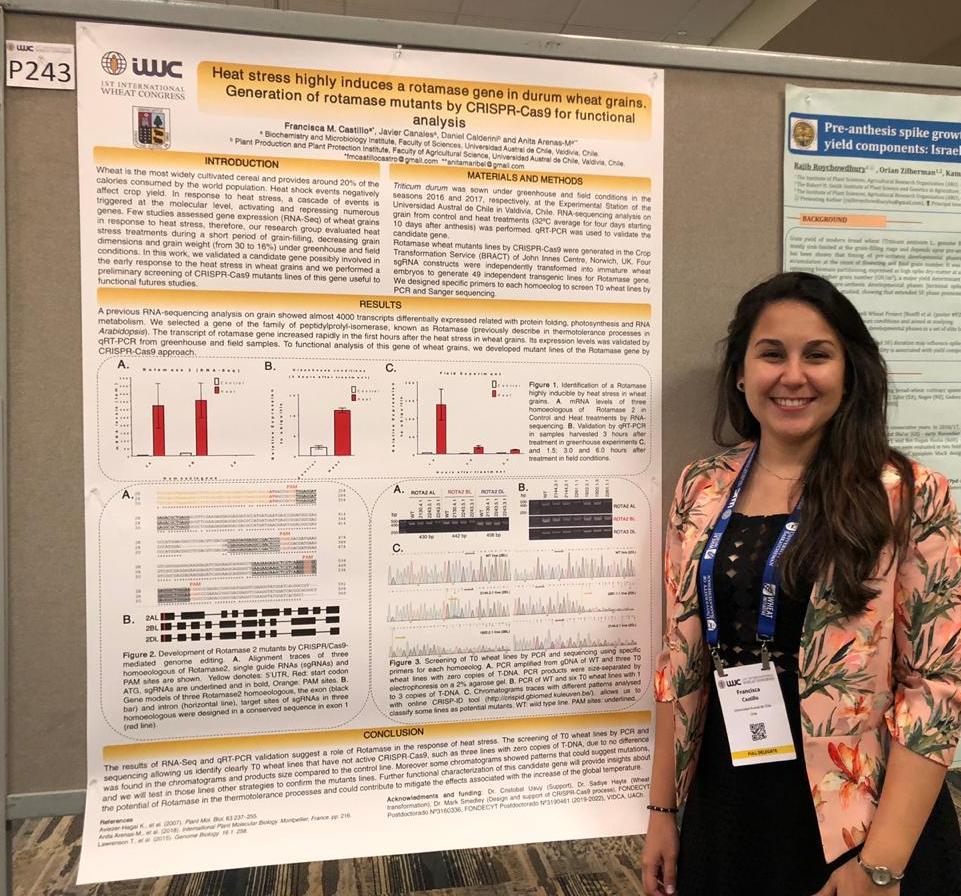
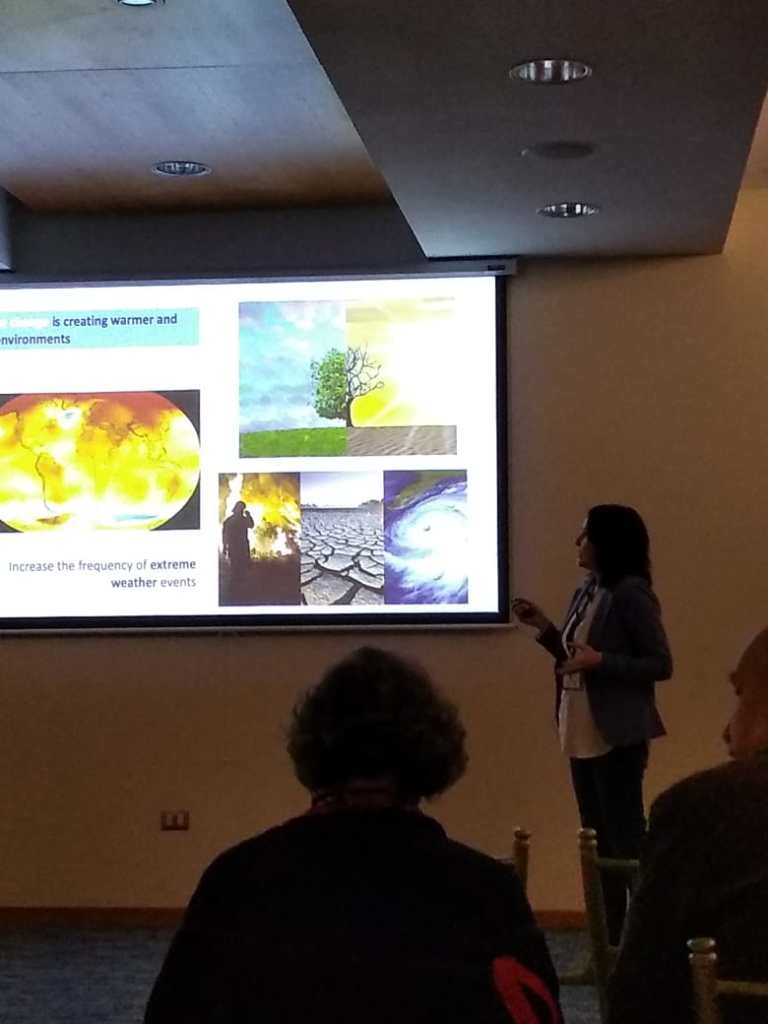
During 2019, several members of our lab presented their research at national and international scientific conferences. First, Dr. Francisca Castillo took part in the 1st International Wheat Congress in Canada in July 2019, with a presentation titled “Identification of a Rotamase highly inducible by heat stress treatments in wheat grains and generation of CRISPR-Cas9-induced mutants for functional analysis”. Francisca was also one of only two Latin Americans awarded a fellowship to attend the congress.
Dr. Francisca CastilloDr. Francisca Castillo
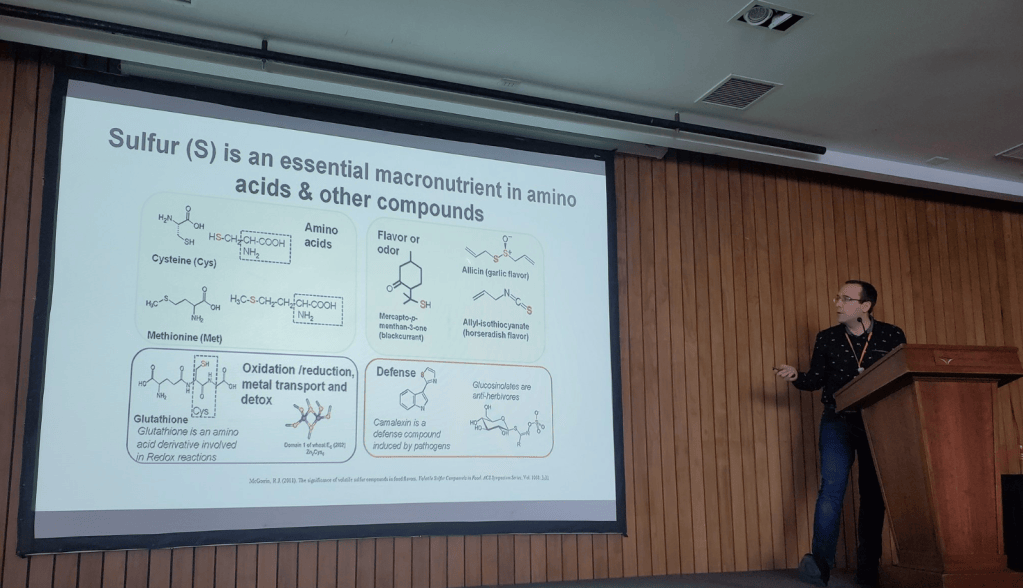
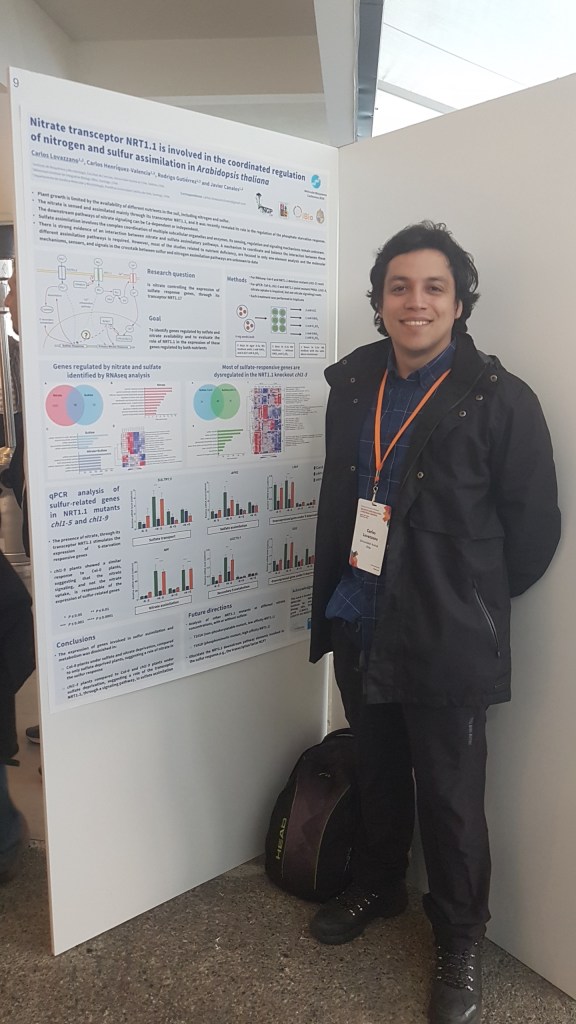
In September 2019, our lab attended the II Molecular Biosystems Conference “Eukaryotic Gene Regulation & Functional Genomics” in Puerto Varas, Chile. There, NGP lab director Dr. Javier Canales gave a talk titled “Transcriptomic analysis reveals tissue-specific and temporal dynamics of the sulfate starvation response in tomato plants”. Carlos Lovazano (PhD student, UACh) also presented his work “Nitrate transceptor NRT1.1 is involved in the coordinated regulation of nitrogen and sulfur assimilation in Arabidopsis thaliana”.
Dr. Javier CanalesPhD student Carlos Lovazano
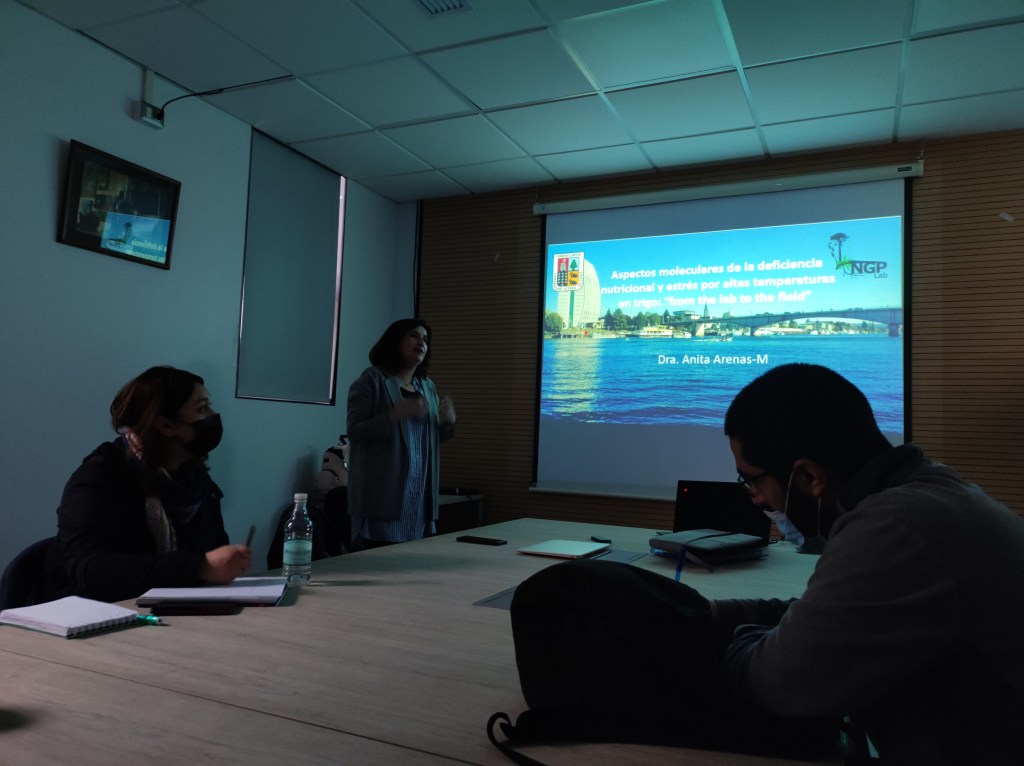
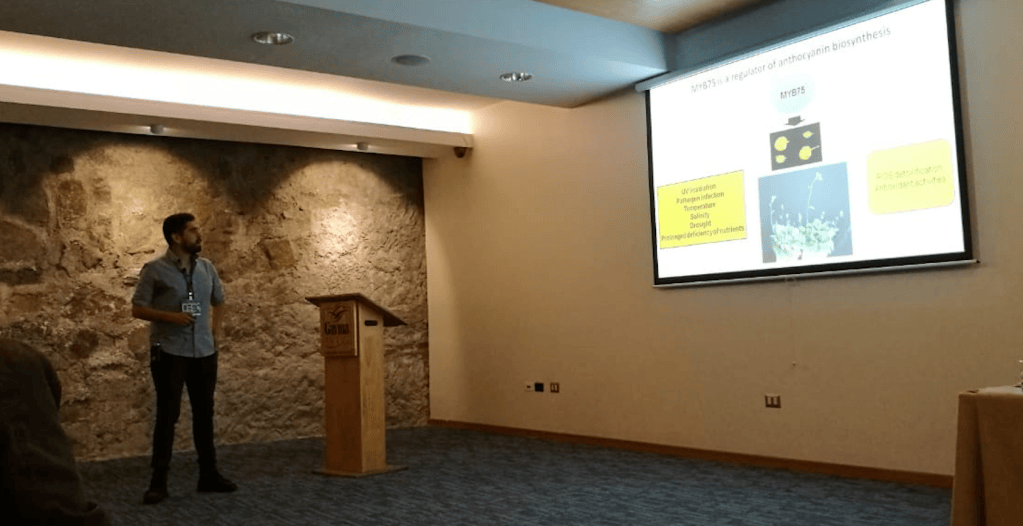
Finally, in October 2019, the XLII Annual Meeting of the SBBMCh / XIV Annual Meeting of REBiVe took place in Iquique, Chile. This conference brought together two national scientific societies, the Society for Biochemistry and Molecular Biology of Chile and the Chilean Society of Plant Biology, under the theme “A molecular and integrative view of biological systems”. Dr. Carlos Henríquez presented his work “The transcription factor MYB75 modulates growth and the response to sulfate starvation in Arabidopsis thaliana”, and Dr. Anita Arenas presented part of her research, “Physiological and molecular characterization of grain response to heat stress in different wheat ploidies”.
Durante el año 2019 varios de los integrantes de nuestro laboratorio presentaron parte de sus investigaciones en congresos científicos nacionales e internacionales. La primera fue la Dra. Francisca Castillo quien en Julio 2019 participó del 1ST INTERNATIONAL WHEAT CONGRESS en Canada. Su presentación se tituló “Identification of a Rotamase highly inducible by heat stress treatments in wheat grains and generation of CRISPR-Cas9-induced mutants for functional analysis”. Además Francisca fue uno de los dos latinoamericanos premiados con una beca para asistir al congreso.
Dra. Fransisca Castillo
Dra. Fransisca Castillo
En el mes de Septiembre 2019, nuestro laboratorio se hizo presente en el II MOLECULAR BIOSYSTEMS CONFERENCE “EUKARYOTIC GENE REGULATION & FUNCTIONAL GENOMICS” en Puerto Varas, Chile. Allí el director del NGP lab el Dr. Javier Canales, dio una charla titulada “Transcriptomic analysis reveals tissue-specific and temporal dynamics of the sulfate starvation response in tomato plants”. Paralelamente, Carlos Lovazano (estudiante de doctorado UACh) presentó el trabajo “Nitrate transceptor NRT1.1 is involved in the coordinated regulation of nitrogen and sulfur assimilation in Arabidopsis thaliana”
Dr. Javier Canales
PhD student Carlos Lovazano
Finalmente en Octubre de 2019 se realizó la XLII REUNIÓN ANUAL DE LA SBBMCH/ XIV REUNIÓN REBiVe en la ciudad de Iquique, Chile. Este congreso tuvo la particularidad congregar a dos sociedades científicas nacionales la Sociedad de Bioquímica y Biología Molecular de Chile junto con la Sociedad de Biología Vegetal de Chile bajo el concepto de “Una visión molecular e integradora de los sistemas biológicos”. Es así como el Dr. Carlos Henriquez expuso su trabajo “The transcription factor MYB75 modulates growth and the response to sulfate starvation in Arabidopsis thaliana” y la Dra. Anita Arenas presentó parte de su investigación “Physiological and molecular characterization of grain response to heat stress in different wheat ploidies”