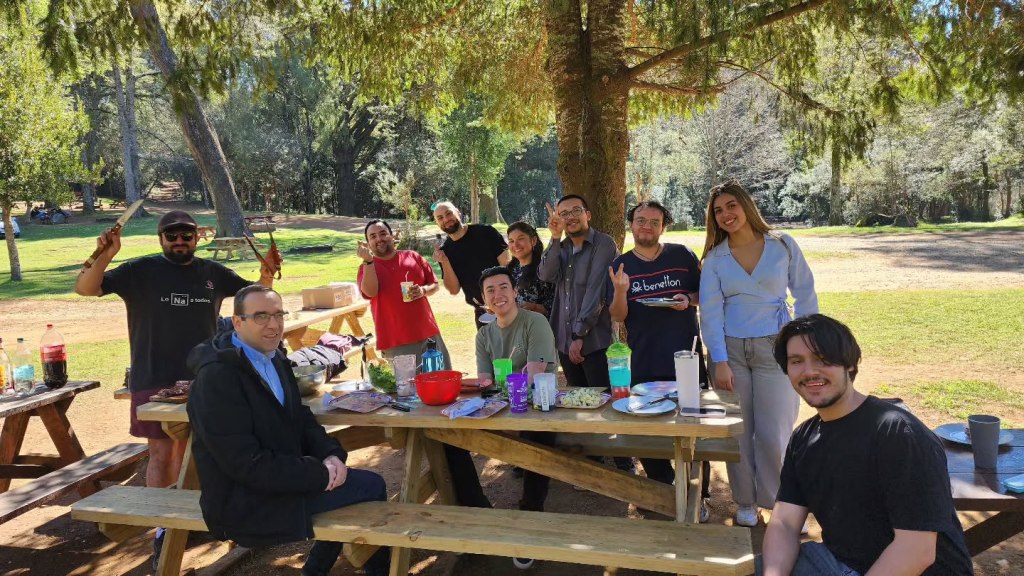
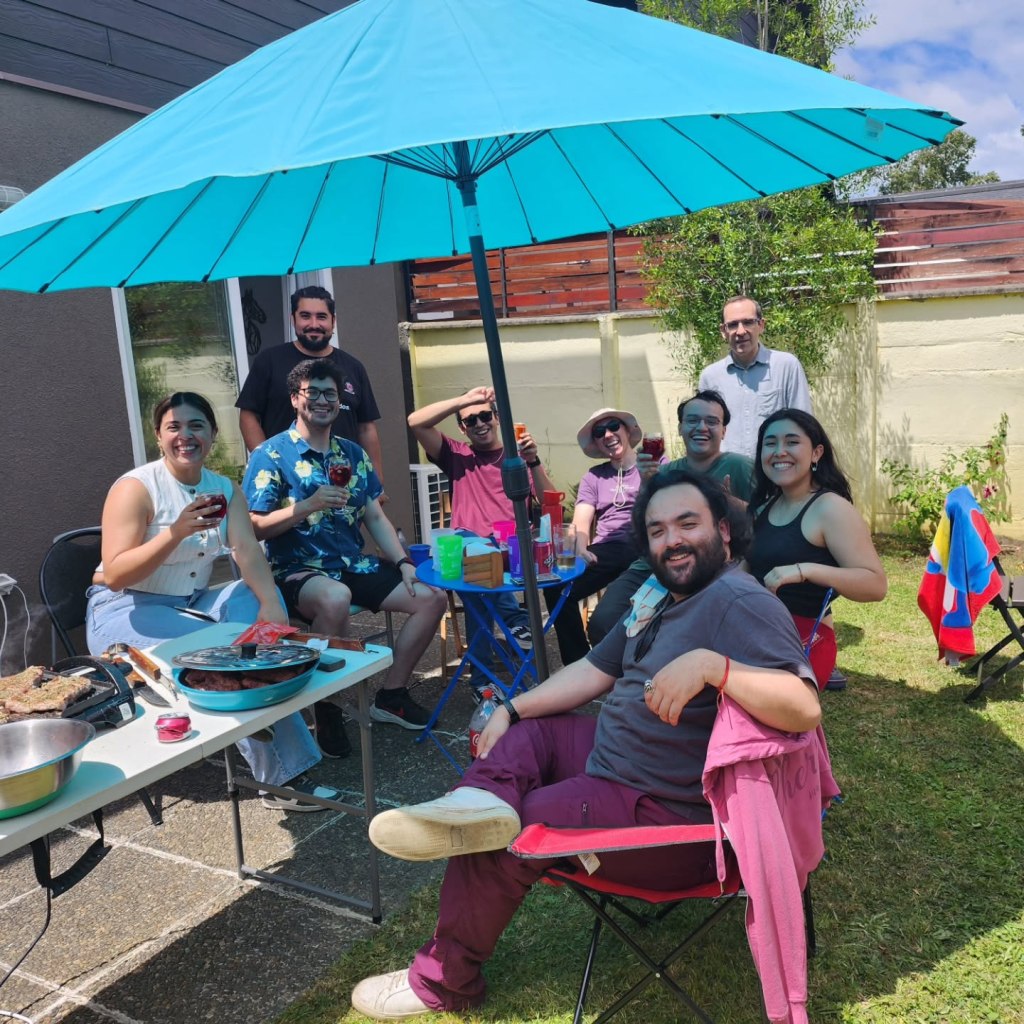
It’s not all lab benches and field plots: the team took some time off to celebrate Chile’s national holidays with our traditional “Asado de 18” barbecue, with plenty of laughs, cueca dancing, games and good food. Happy Fiestas Patrias! 🇨🇱
This first semester, women took over the Plant Nutrition and Genomics Lab. 👩🔬🌱🧬
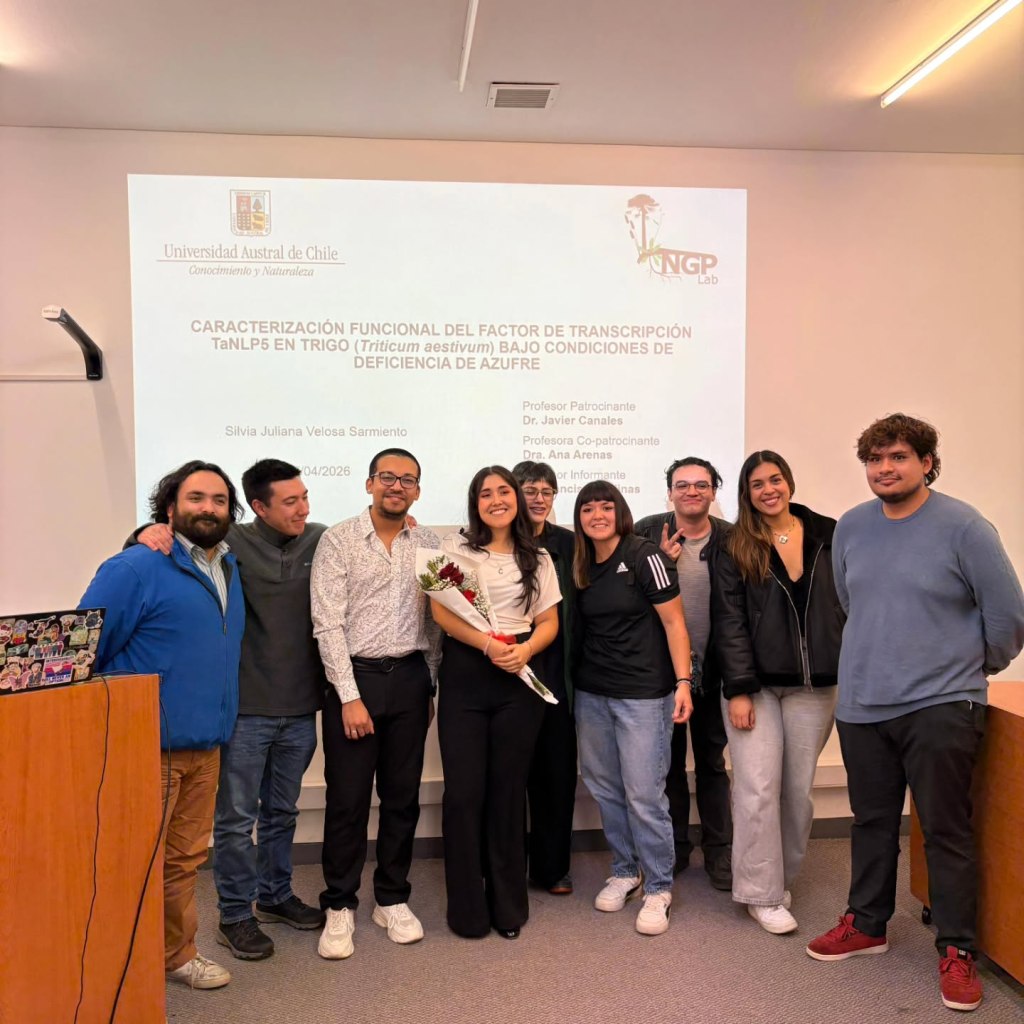
It all started with Silvia Velosa’s successful thesis defense, focused on the functional characterization of a key transcription factor in the wheat response to sulfur deficiency. Silvia stood out for being methodical and deeply committed to her work in the lab. We wish her every success in her career! 🎓
More recently, Antonia Salvo, a thesis student in our lab, won a “Women’s Leadership 2026” thesis support grant from the UACh Faculty of Sciences and Ciencia 2030 Sur Subantártico. Onwards and upwards! 💪
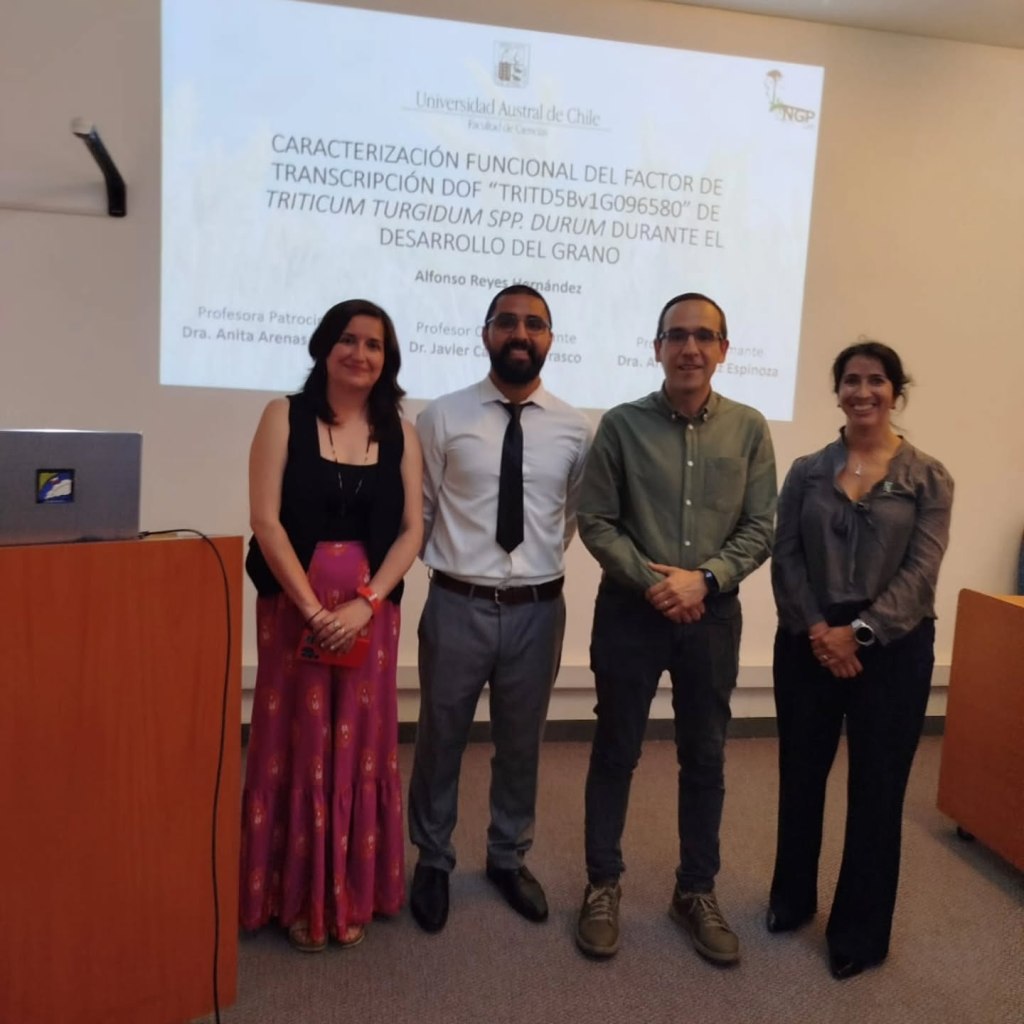
Congratulations to Alfonso Reyes Hernández on his excellent thesis defense, which earned him his degree in Biochemistry from Universidad Austral de Chile. His project, “Functional characterization of the DOF transcription factor TRITD5Bv1G096580 from Triticum turgidum ssp. durum during grain development”, was carried out in our lab, where he stood out for his responsibility and commitment to every experiment. We wish you every success in your career, Alfonso! 🎓
It’s not all science, theses and grant projects: we treated ourselves to an afternoon together to relax, have fun and recharge. Here’s to a 2026 full of great results! 💪
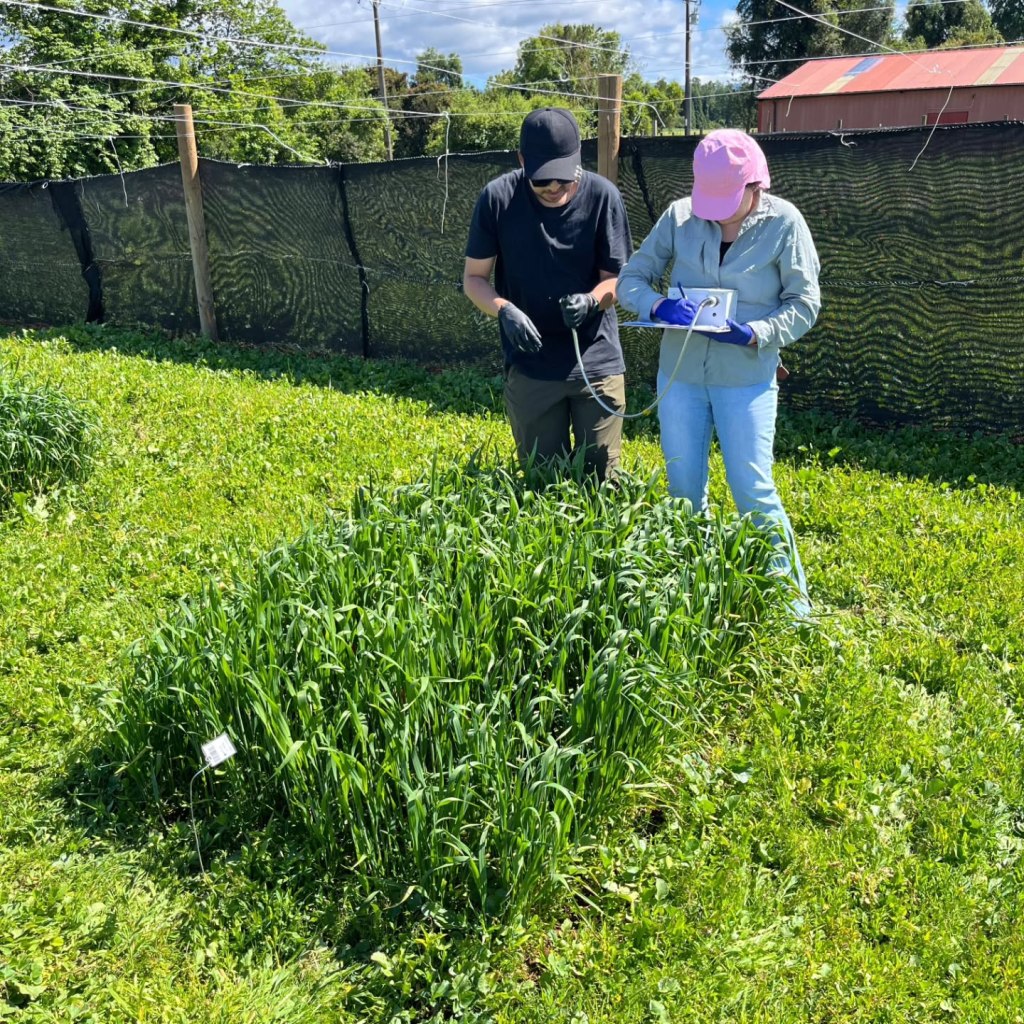
This week we started sampling our experimental wheat field trial for the 2025/26 season. This FONDECYT project, led by Dr. Javier Canales, aims to uncover the molecular and physiological mechanisms behind efficient sulfur and nitrogen use throughout wheat development, and how the interaction between these two nutrients shapes the yield of a crop that is key to global food security. 🌾
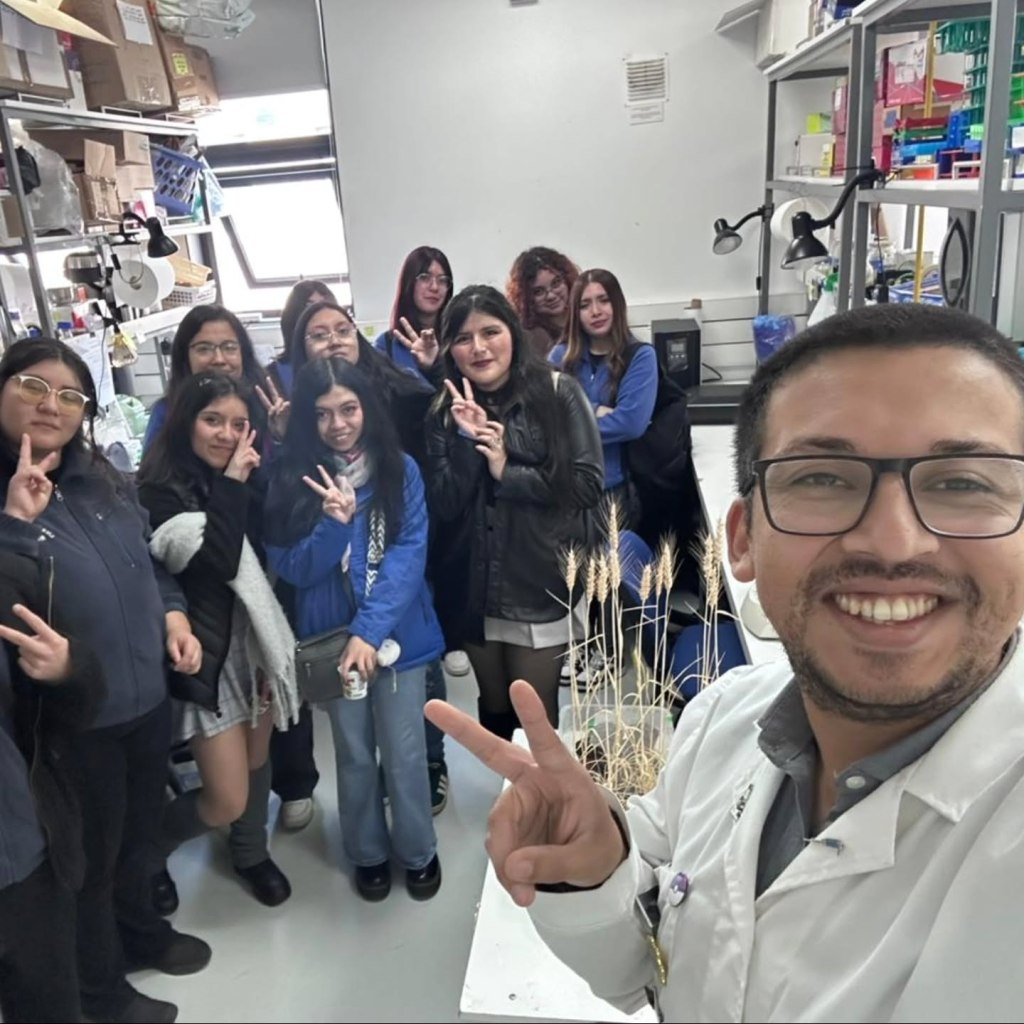
This week we opened our lab doors at UACh to welcome students from Liceo Bicentenario R.A.A.C. in La Unión. Ángelo Riquelme, biochemist and research assistant in our lab, showed them how we study the ways plants adapt to nutritional and abiotic stresses such as heat. 🌱🧬
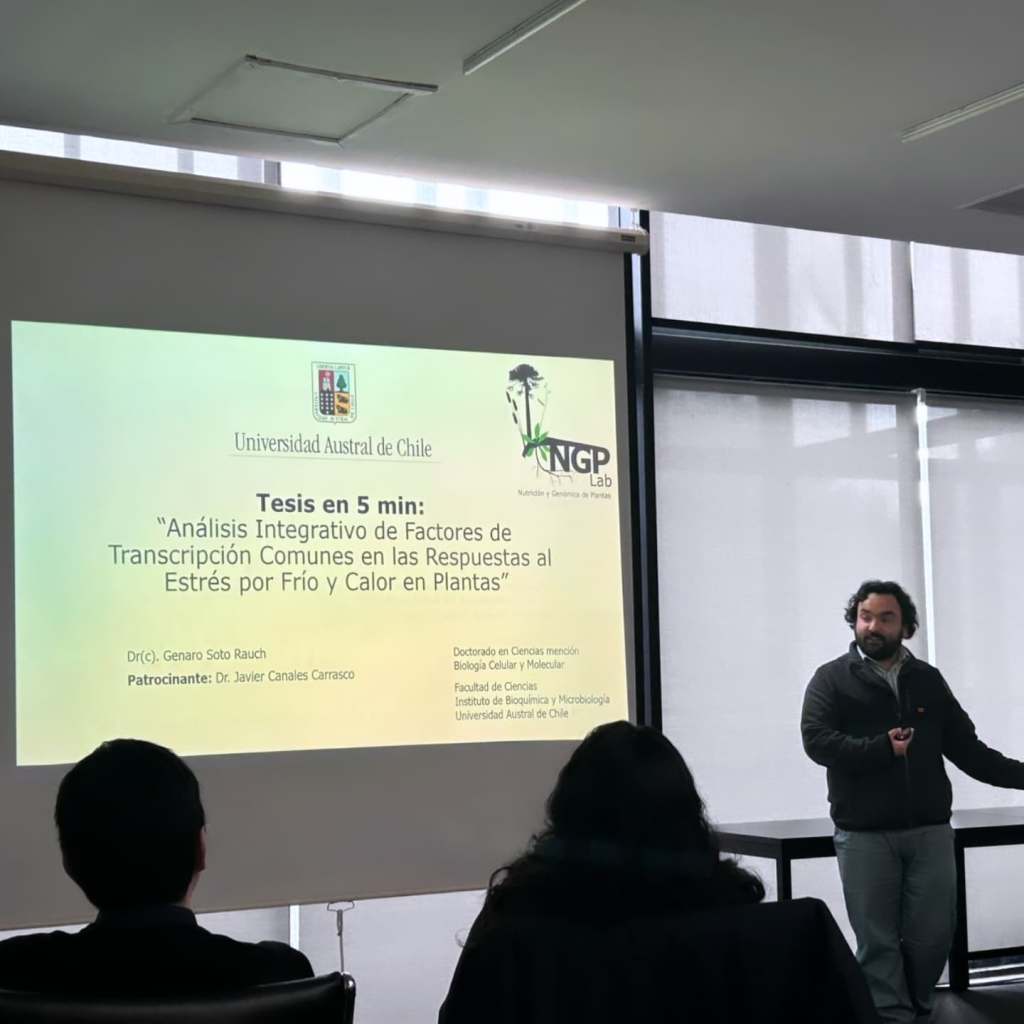
Congratulations to our labmate Genaro Soto, PhD candidate, on his successful “5-minute thesis” presentation. His work, “Integrative analysis of transcription factors shared by cold and heat stress responses in plants”, is one of the research lines we are pursuing in the lab and will be published soon. This short, accessible format is a great way to share our research with a wider audience. 🚀
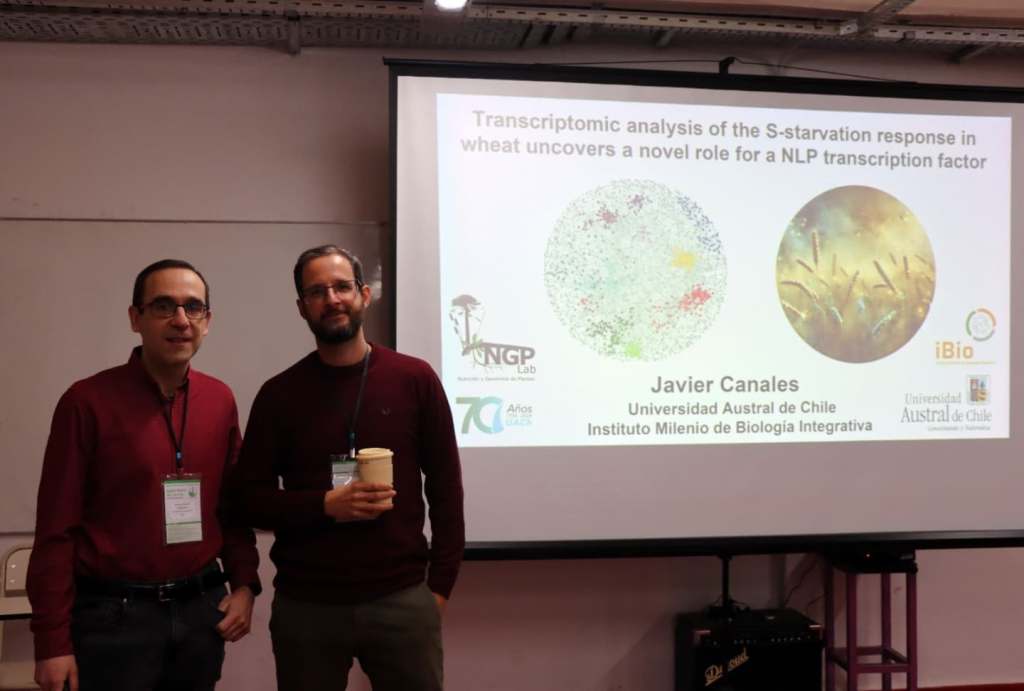
A few weeks ago, Dr. Javier Canales was an invited speaker at the Mineral Nutrition Symposium of the Argentine Society of Plant Physiology Congress in Mar del Plata, Argentina. In his talk, “Transcriptomic analysis of the S-starvation response in wheat uncovers a novel role for a NLP transcription factor”, he shared our latest progress on the molecular factors that modulate the wheat response to sulfur deficiency. 🧬🌾
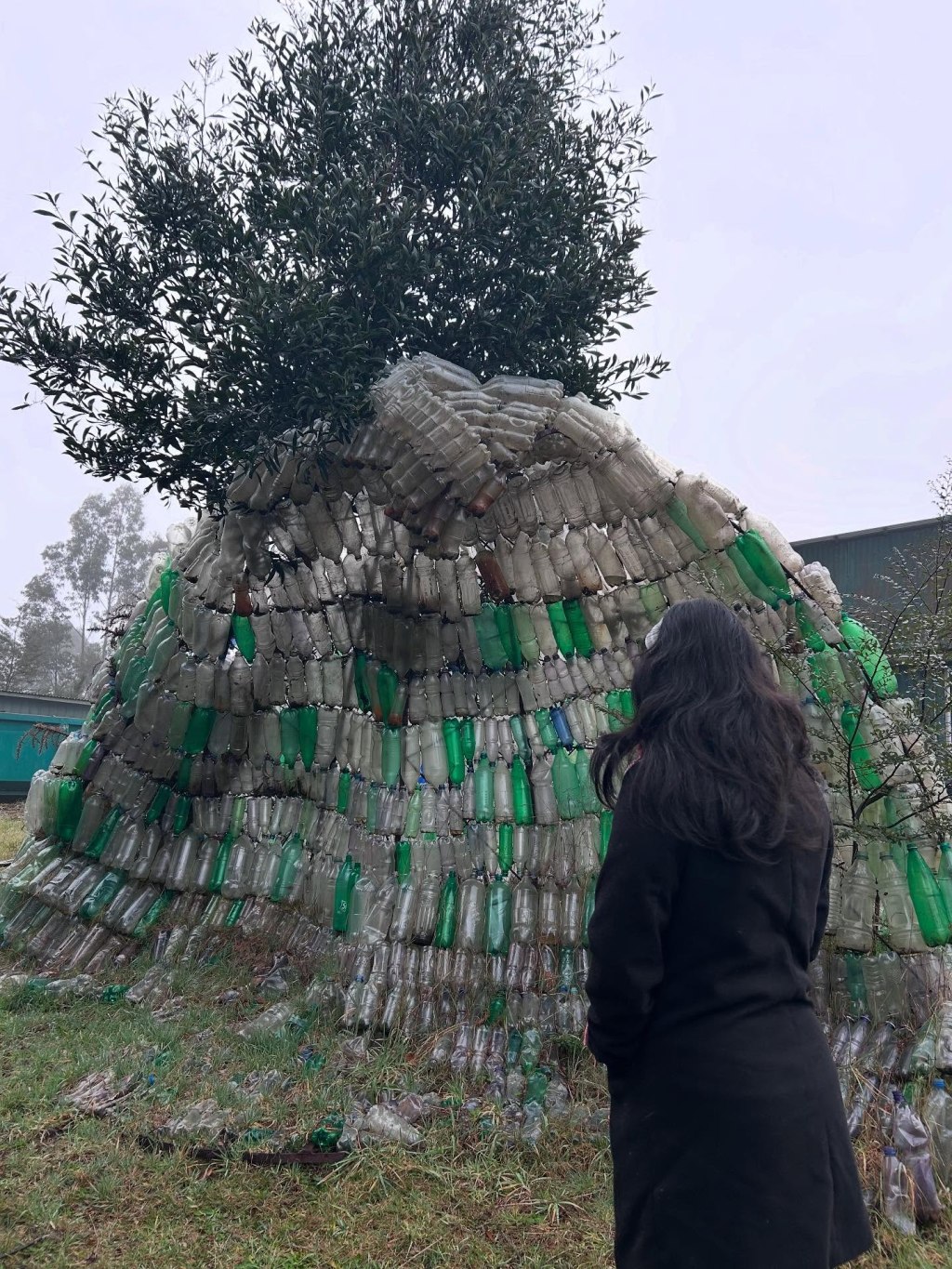
Today we took a guided tour of UACh’s waste management facilities. Many thanks to the UACh Environmental Management team for showing us around. It’s great that these opportunities are open to every lab that wants to learn more about recycling and the safe handling of the hazardous waste generated across the university. ♻️
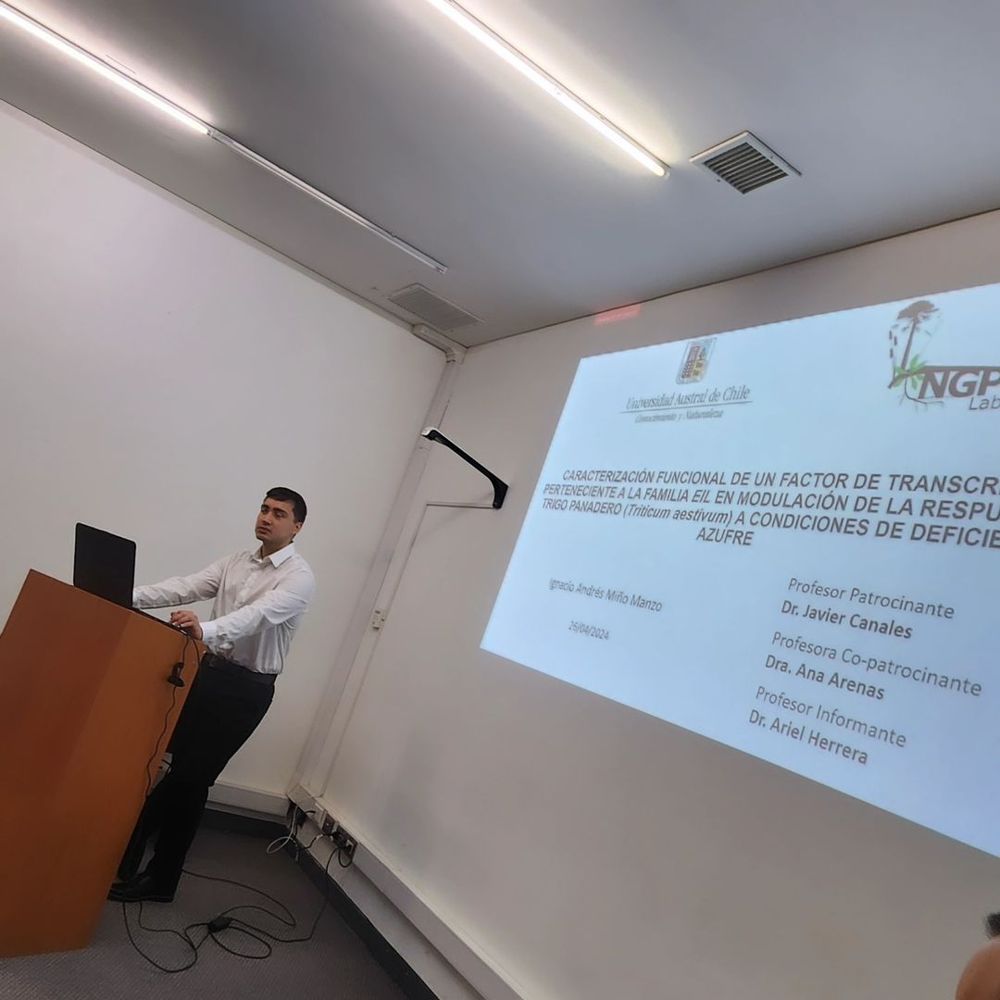
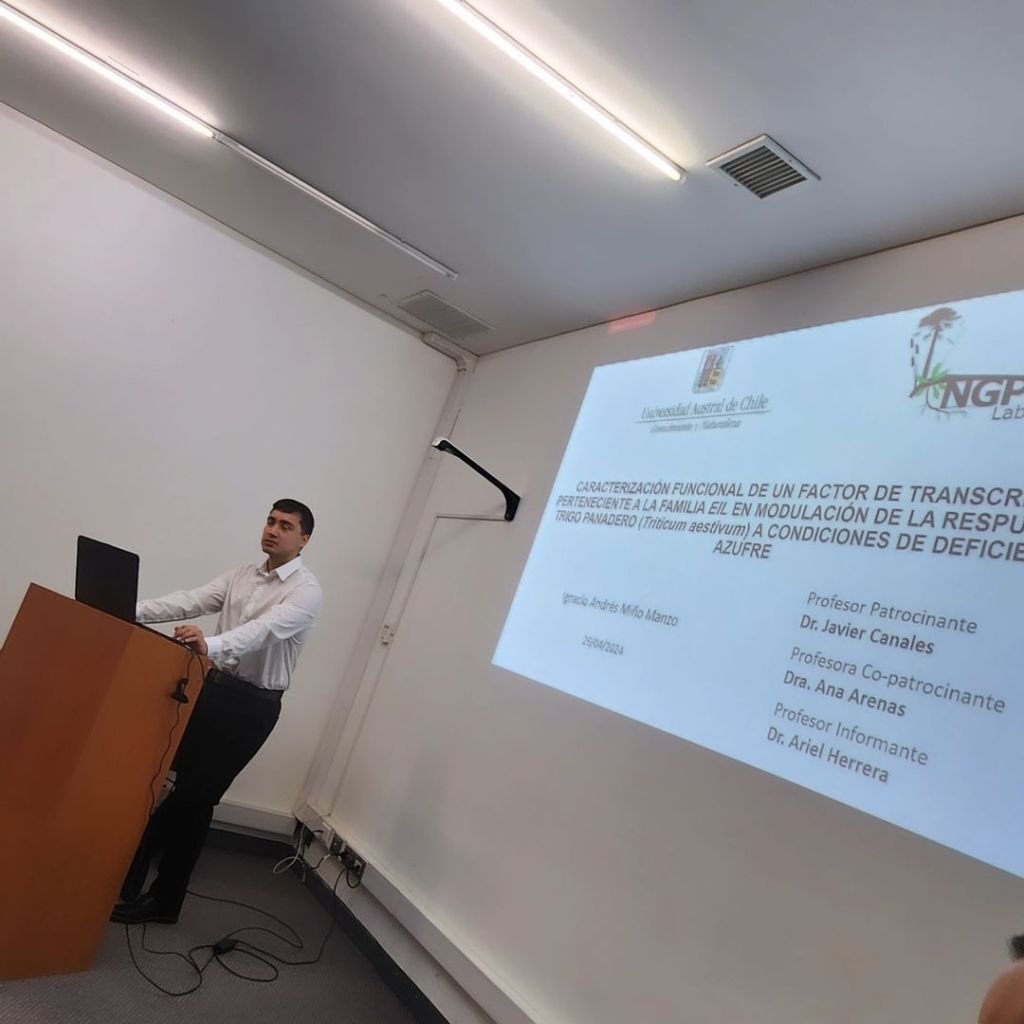
We are thrilled to announce the successful thesis defense of Ignacio Andrés Miño Manzo, who recently completed his undergraduate studies in Biochemistry at Universidad Austral de Chile. His thesis, titled «Functional Characterization of a Transcription Factor Belonging to the EIL Family in Modulating the Response of Bread Wheat (Triticum aestivum) to Sulfur Deficiency Conditions,» delved into the crucial role of sulfur in plant growth and development, and investigated the function of a specific transcription factor, TaSLIM1-5D, in regulating wheat’s response to sulfur deficiency.
Sulfur: A Critical Nutrient Facing Global Challenges
Sulfur is an essential macronutrient for plants, playing a vital role in the synthesis of crucial compounds like amino acids, proteins, and vitamins. However, agricultural soils worldwide are experiencing a concerning decline in sulfur levels, leading to compromised crop yields and nutritional quality. Ignacio’s research focused on understanding the intricate mechanisms by which plants adapt to sulfur deficiency, with a particular emphasis on the role of TaSLIM1-5D in bread wheat.
TaSLIM1-5D: A Potential Master Regulator
Drawing on previous studies in the model plant Arabidopsis thaliana, Ignacio investigated the function of TaSLIM1-5D, a transcription factor belonging to the EIL family, in bread wheat. Through RNA sequencing and gene expression analyses, he provided compelling evidence suggesting that TaSLIM1-5D acts as a central regulator of wheat’s response to sulfur deficiency. His research identified several potential target genes of TaSLIM1-5D involved in sulfur metabolism, further supporting its crucial role in this process.
Generating Transgenic Plants: A Step Towards the Future
As part of his thesis work, Ignacio successfully generated transgenic Arabidopsis plants that overexpress TaSLIM1-5D. These plants will serve as a valuable tool for future research, allowing for a deeper understanding of the specific mechanisms by which TaSLIM1-5D influences sulfur metabolism and plant adaptation to sulfur deficiency.
Ignacio’s research has significant implications for improving agricultural practices and addressing the global challenge of sulfur deficiency in crops. By unraveling the complex molecular pathways involved in plant adaptation to low sulfur conditions, we can develop strategies to enhance crop yields and ensure food security for the future. We extend our heartfelt congratulations to Ignacio on his outstanding achievement and wish him all the best in his future endeavors!