Nutrición y Genómica de Plantas · UACh

Categoría: English

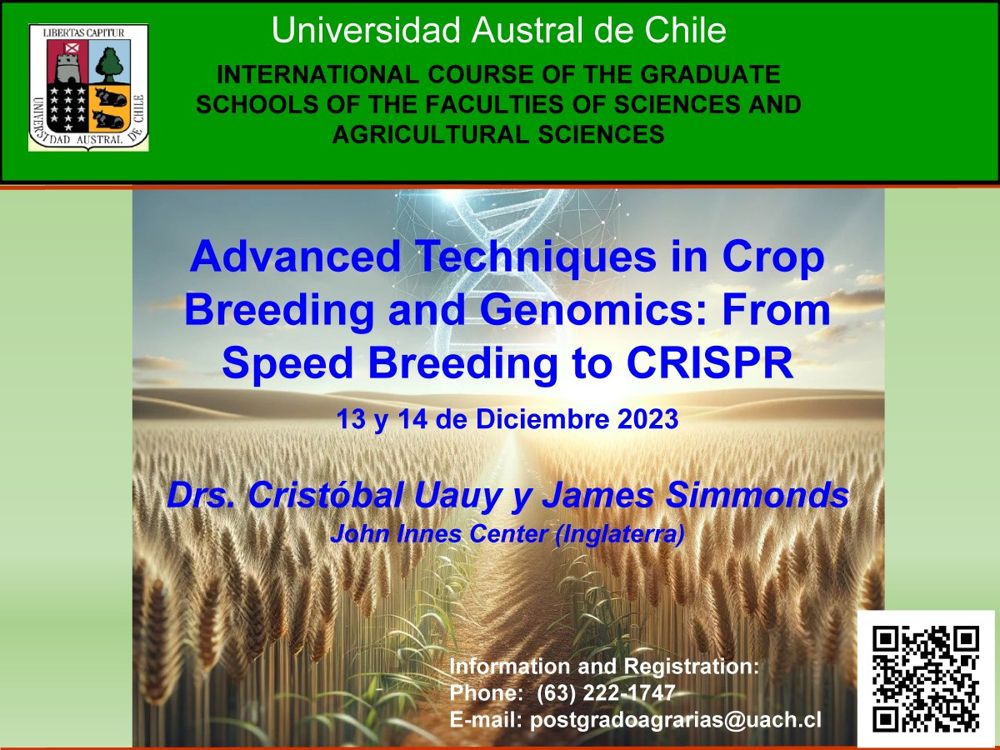
  • Invitation to the Postgraduate Course: «Advanced Techniques in Crop Breeding and Genomics: From Speed Breeding to CRISPR»

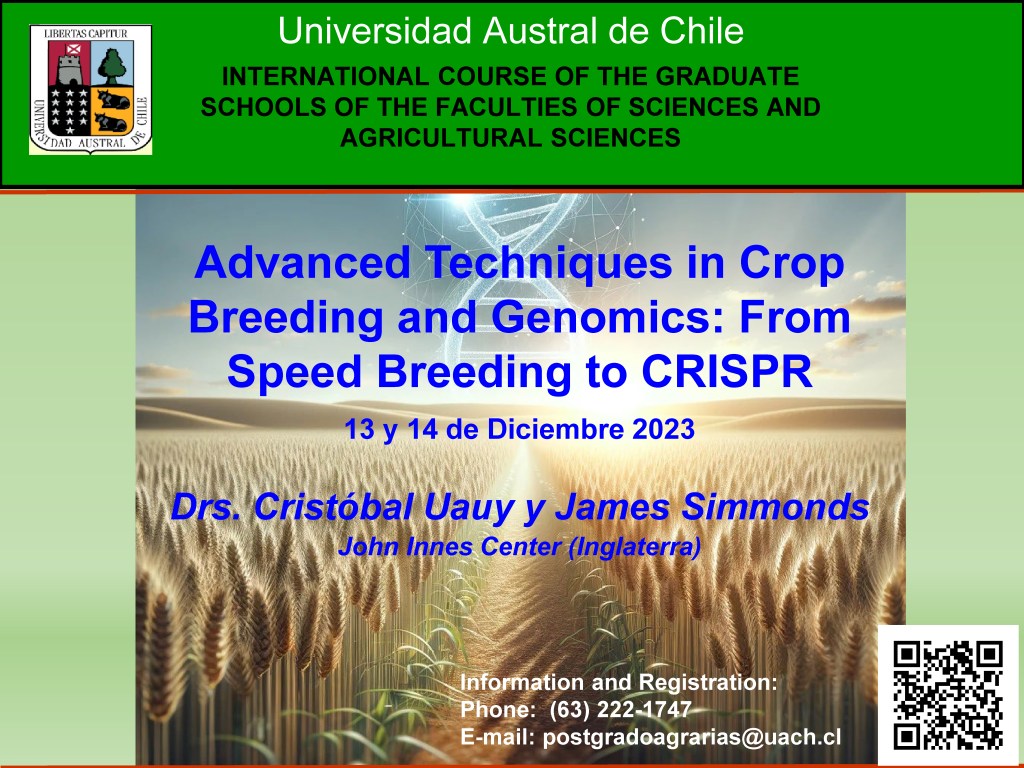
    Invitation to the Postgraduate Course: «Advanced Techniques in Crop Breeding and Genomics: From Speed Breeding to CRISPR»

    Date: December 13th and 14th, 2023
    Location: Patricio Barriga Room, Graduate School of the Faculty of Agricultural and Food Sciences, Universidad Austral de Chile (UACh)
    Registration Link: Online Participation

    The Graduate Schools of the Faculties of Sciences and Agricultural and Food Sciences at Universidad Austral de Chile are delighted to extend an invitation to the upcoming postgraduate course titled «Advanced Techniques in Crop Breeding and Genomics: From Speed Breeding to CRISPR.»

    We are honored to have Dr. Cristóbal Uauy and Dr. James Simmonds from the prestigious John Innes Centre, UK, as our lead instructors. Dr. Uauy’s notable contributions to the wheat genome sequencing project have been groundbreaking in crop genomics. Their expertise promises an insightful and comprehensive learning experience.

    The course, spanning December 13th and 14th, will be conducted in the Patricio Barriga room at our Graduate School. We are excited to announce that this course will be offered in a hybrid format, accommodating both in-person and online participation. To partake virtually, please ensure to register using the provided link.

    Attendance is complimentary. For in-person participation, please register with our Graduate School secretary, Mrs. Viviana Riquelme, at (63 2 221747) or via email at postgradoagrarias@uach.cl.

    This course is part of our ongoing international collaboration and is supported by the FONDECYT Projects 1230833 and 1211040. These projects focus on enhancing nutrient use efficiency and understanding the trade-offs in wheat crop adaptation and yield.

    We look forward to your participation in this exceptional academic opportunity.

    Warm regards,

    Daniel Calderini and Javier Canales
    Leer en español →

  • Our new FONDECYT project is in the news.

    Our new FONDECYT project is in the news.

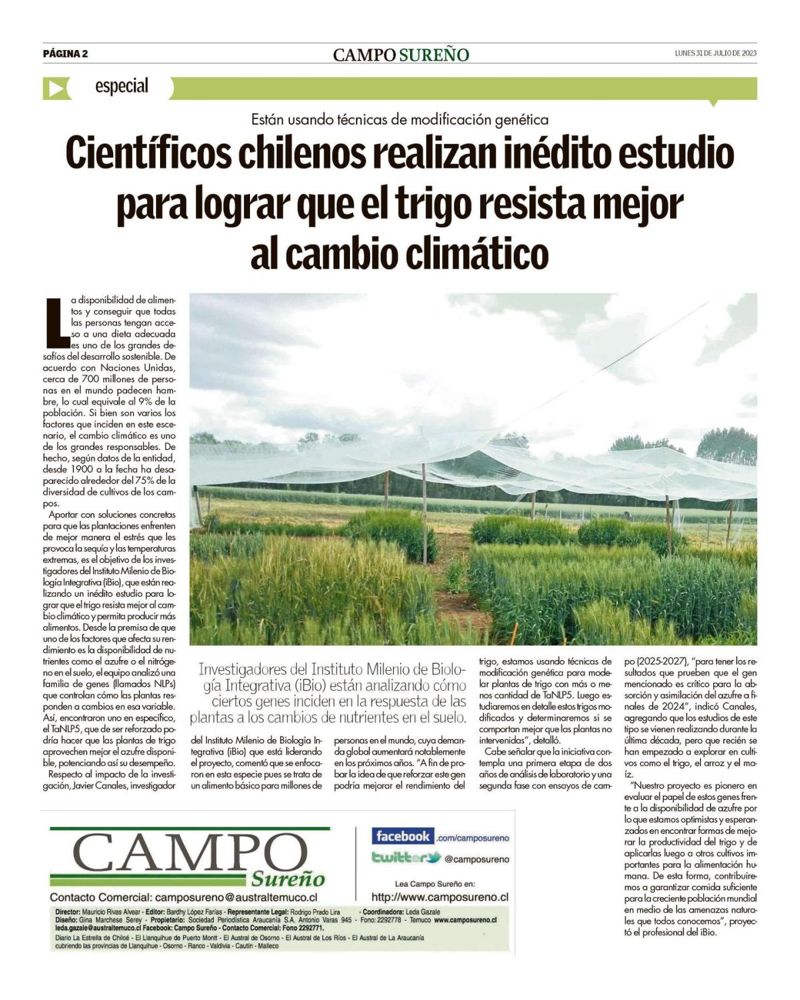
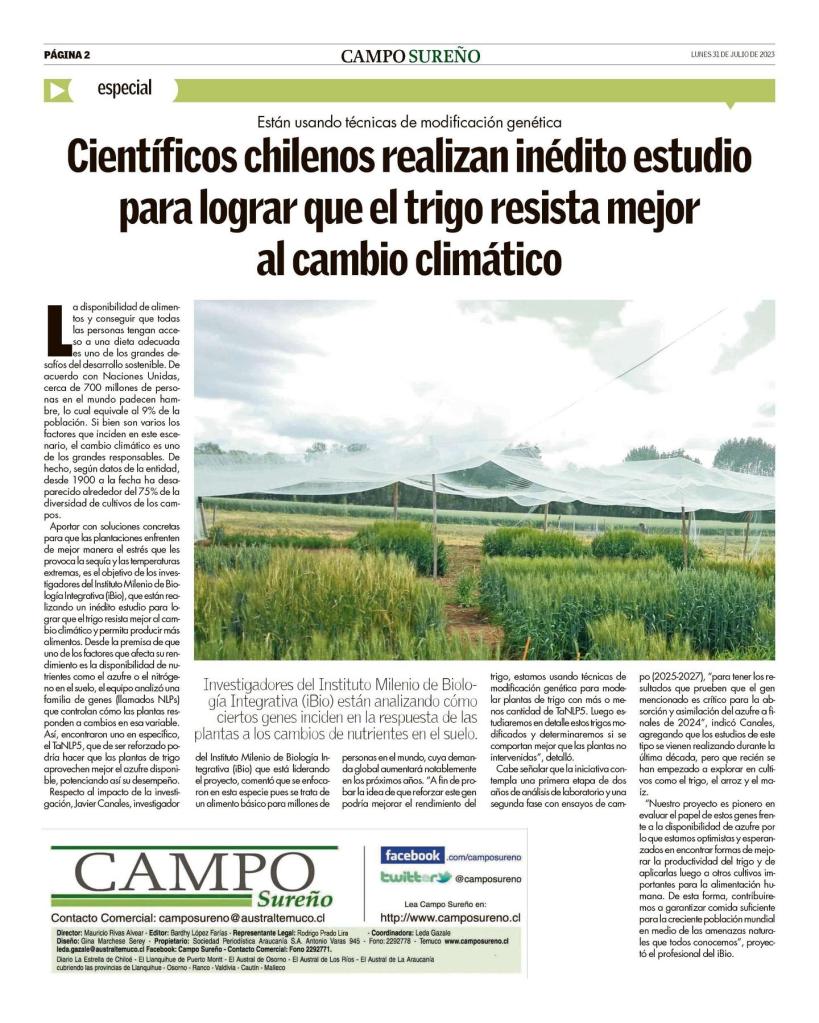
    Today in the magazine #camposureño, an important highlight shines upon a research project we are conducting in our laboratory, led by Dr. Javier Canales. The aim of this research is to create wheat varieties that are more tolerant and resilient to current climate change conditions. Our team’s work is based on collaboration and from the southern regions of Chile, we are generating frontier science! 🌾🧬👩‍🔬👨‍🔬

    Chilean Scientists Embark on a Groundbreaking Study for Climate-Resilient Wheat

    The researchers of the Instituto Milenio de Biología Integrativa (iBio) are exploring how specific genes impact the way plants respond to changes in soil nutrients.

    Food availability and ensuring access to adequate diets for everyone is one of the substantial challenges of sustainable development. According to the United Nations, around 700 million people, or 9% of the global population, suffer from hunger. Climate change plays a significant role in this scenario, and since 1900, about 75% of crop diversity has vanished from fields.

    Finding Solutions to Climate-Induced Stress on Crops

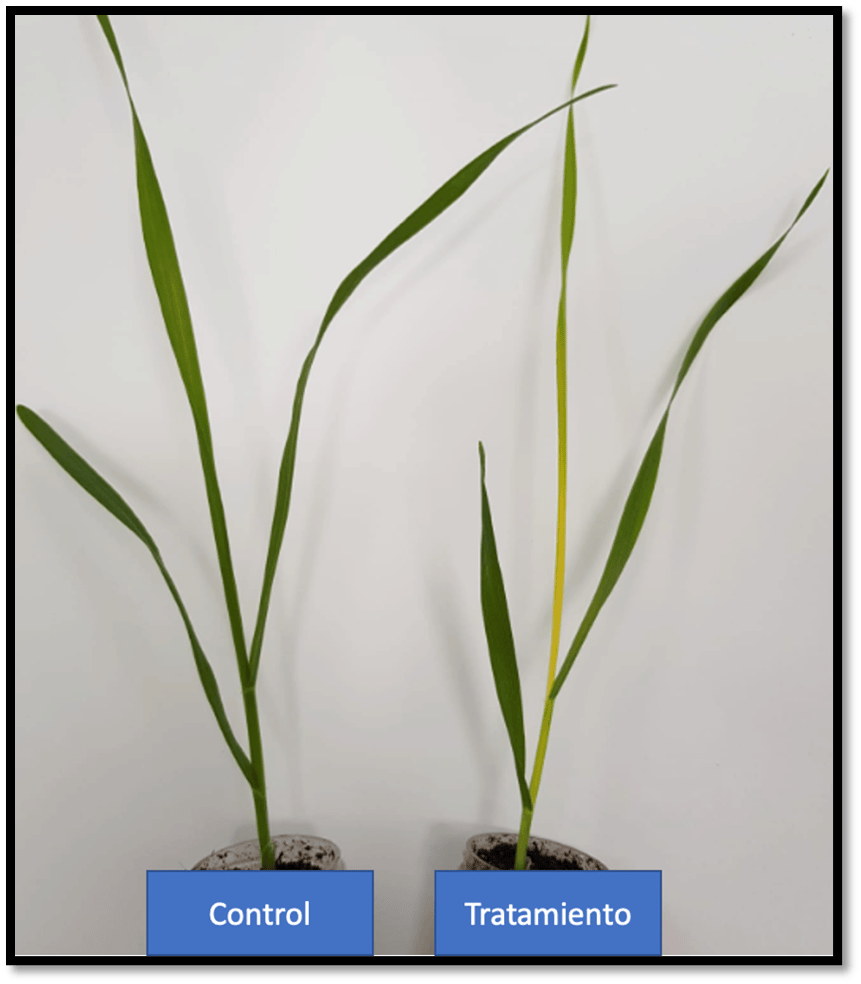
    The scientists at iBio are working on an unprecedented study to enhance wheat’s resistance to climate change and increase food production. Recognizing that factors like the availability of nutrients such as sulfur or nitrogen in the soil affect wheat yield, the team examined a family of genes called NLPs, which control how plants respond to these changes.

    Specifically, they discovered a particular gene, TaNLP5, that if strengthened, could enable wheat plants to better utilize available sulfur, thereby boosting performance.

    Dr. Javier Canales, who is leading the project, focused on wheat as it is a staple food for millions worldwide, with increasing global demand. To test the idea that reinforcing this gene could improve wheat yield, the team is using genetic modification techniques to model wheat plants with varying amounts of TaNLP5. «We will then study these modified wheats in detail and determine if they perform better than the unaltered plants,» he explained.

    Project Timeline and Expectations

    The project involves a two-year laboratory analysis phase followed by field trials (2025-2027) to have conclusive results by the end of 2024. Studies of this kind have been conducted for the last decade, but only recently have they begun to be explored in crops like wheat, rice, and corn.

    «Our project is pioneering in assessing these genes against sulfur availability, so we are optimistic and hopeful to find ways to enhance wheat productivity and apply them to other significant human food crops. In this way, we will contribute to ensuring enough food for the growing world population amidst the natural threats we all know,» projected the professional at iBio.

    Conclusion

    The new FONDECYT project spearheaded by our lab represents an innovative step forward in the fight against climate change’s impact on food security. By exploring novel genetic avenues, we are optimistic that our research will pave the way for more resilient wheat varieties and potentially other crops, providing tangible solutions for a world grappling with complex environmental challenges.

    Stay tuned for further updates on this pioneering project that promises to reshape the way we understand and approach agricultural science, ensuring a more sustainable future for all. 🌾🧬👩‍🔬👨‍🔬

    Leer en español →

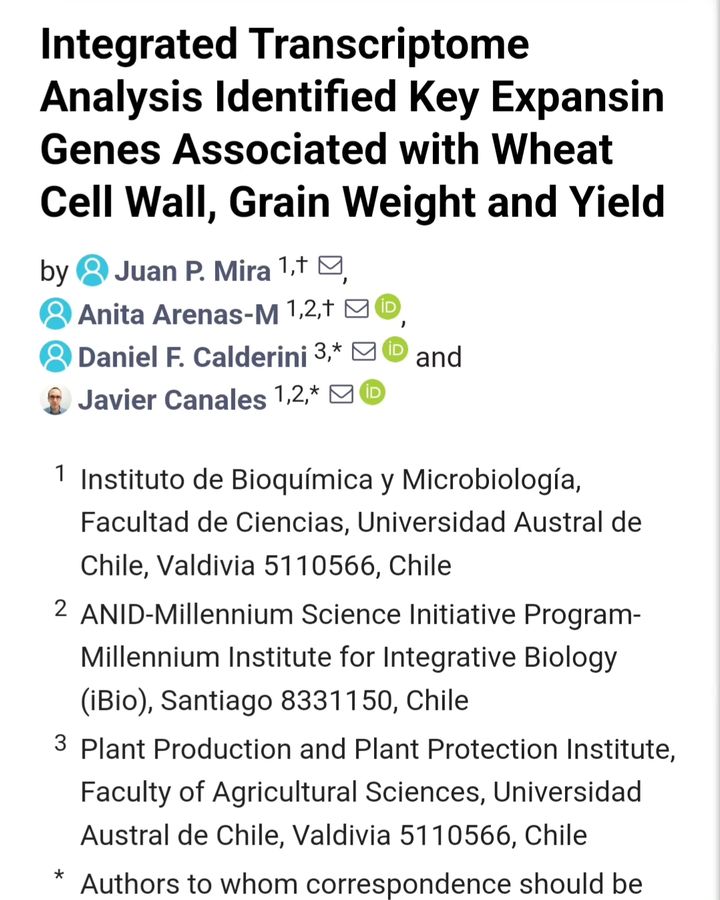
  • Congratulations to Our Lab’s Juan Pablo for His Latest Scientific Publication!

    Congratulations to Our Lab’s Juan Pablo for His Latest Scientific Publication!

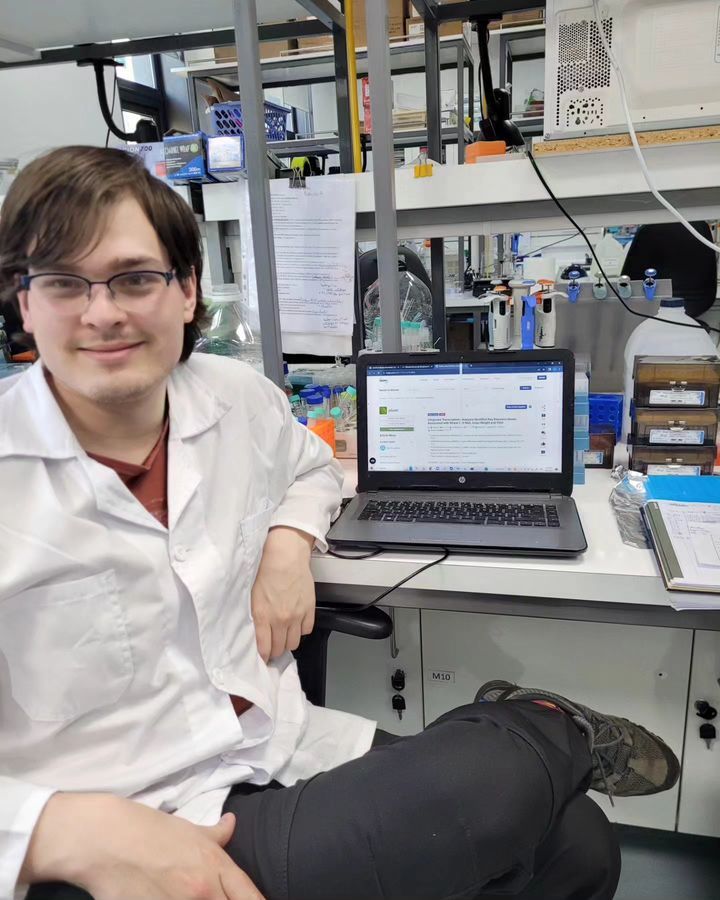
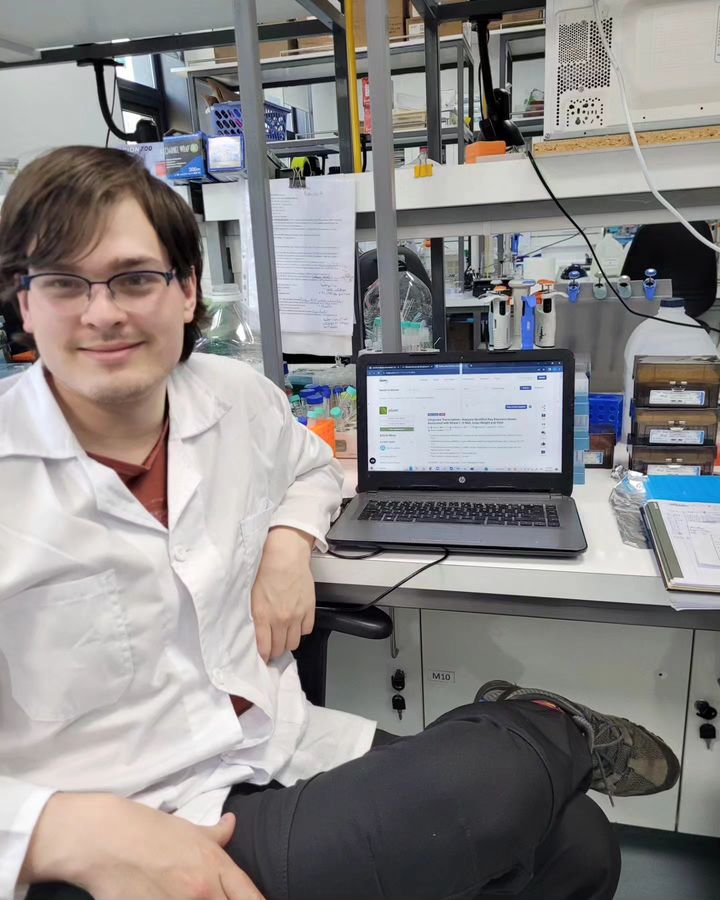
    Today is a momentous day for our laboratory, and we are filled with pride as we announce an extraordinary achievement by one of our own, Juan Pablo. He has accepted the publication of his scientific paper in the esteemed journal «Plantas.»

    Juan Pablo’s hard work and dedication have finally paid off, marking a significant milestone in his professional career. This publication is not only a reflection of his personal dedication but also a testament to the groundbreaking work being done here in our lab.

    The paper, published in «Plantas,» delves into intriguing insights in the field of botany, expanding our understanding of plant life, and presenting innovative findings. For those interested in reading the full paper, it is accessible here: https://www.mdpi.com/2223-7747/12/15/2868

    Leer en español →

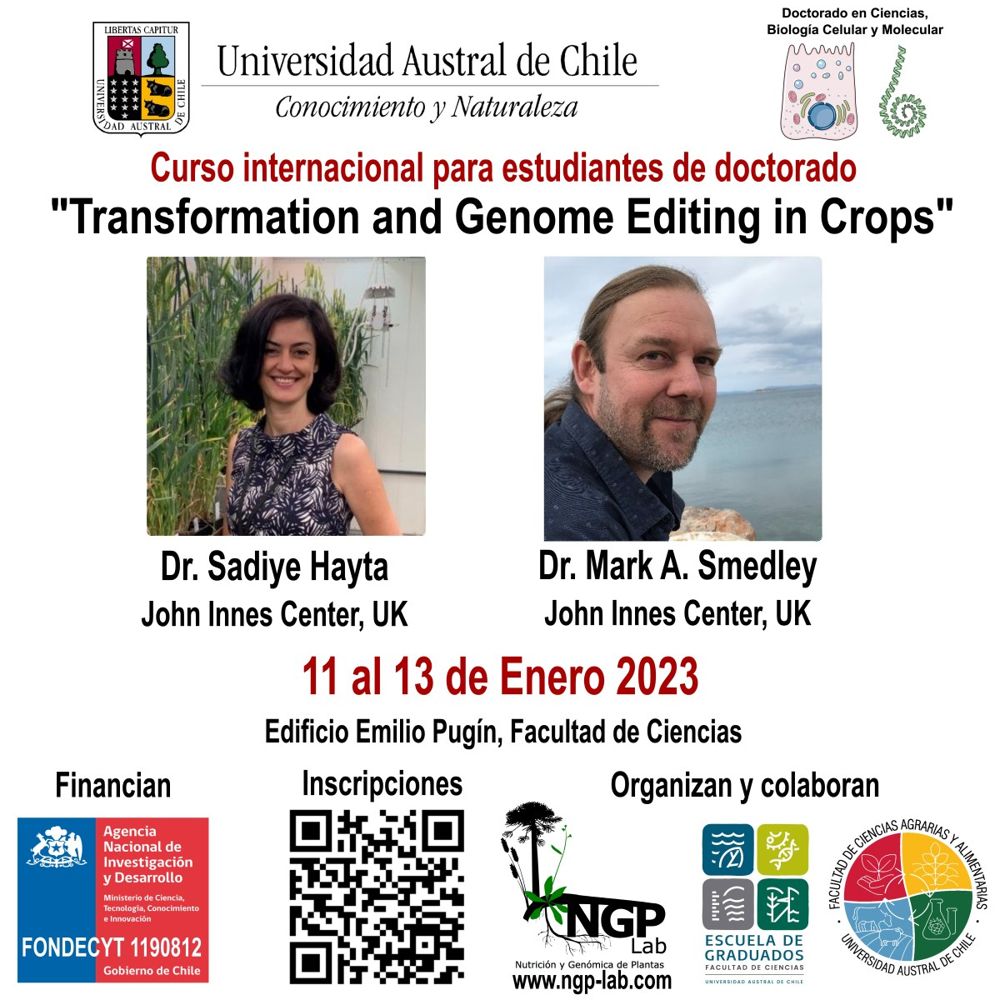
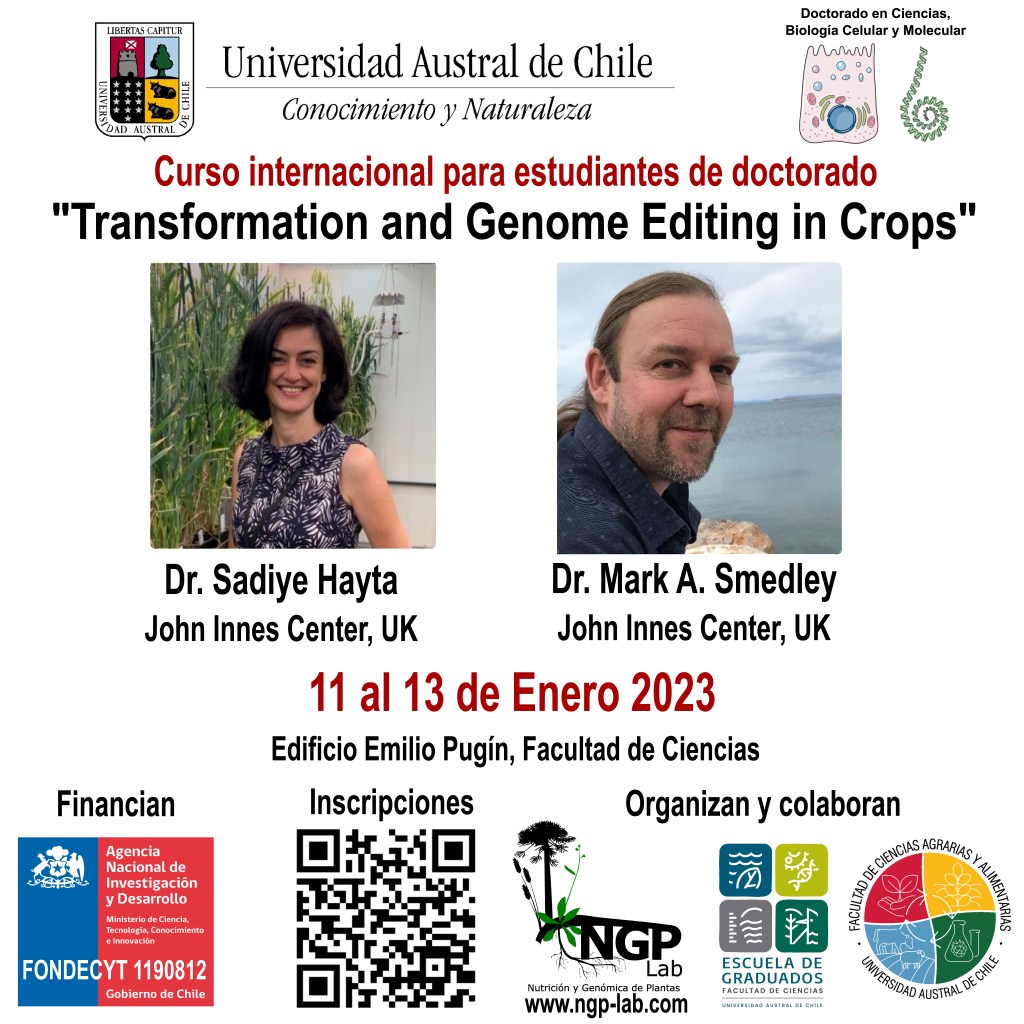
  • International course on «Transformation and Genome Editing in Crops»

    International course on «Transformation and Genome Editing in Crops»

    We are excited to announce that the international course on «Transformation and Genome Editing in Crops» will be held in Valdivia (UACh) from 11 to 13 January 2023. This course, led by Dr. Sadiye Hayta and Dr. Mark A. Smedley, will provide a comprehensive overview of the most recent techniques in crop transformation and genome editing through both theoretical and practical sessions.

    On Wednesday, the program will begin at 14:30h with an overview of gene editing, including guide RNA and vector. After a coffee break, the program will continue with a session on the Golden Gate assembly.

    On Thursday, the program will begin at 9:30h with a session on a transformation overview and wheat transformation. After a coffee break, there will be a session on screening for gene editing.

    On Friday, the program will begin at 9:30h with a session on guide design and vector assembly in silico using the ‘Benchling’ platform. This will be followed by a practical session on the preparation of donor material and isolating wheat embryos for transformation. In the afternoon, there will be a visit to the «Estación Experimental Universidad Austral de Chile.»

    This course will be in English and is a unique opportunity to gain hands-on experience and deepen your knowledge about genome editing in crops. Don’t miss out on this opportunity to expand your skills and advance your career.

    The registration is free and aimed at doctoral students. It must be completed at the following link before January 7, 2023: https://forms.gle/bemqeFdzBXezr2y78

    Enroll now and join us in Valdivia for an unforgettable learning experience!

    Leer en español →

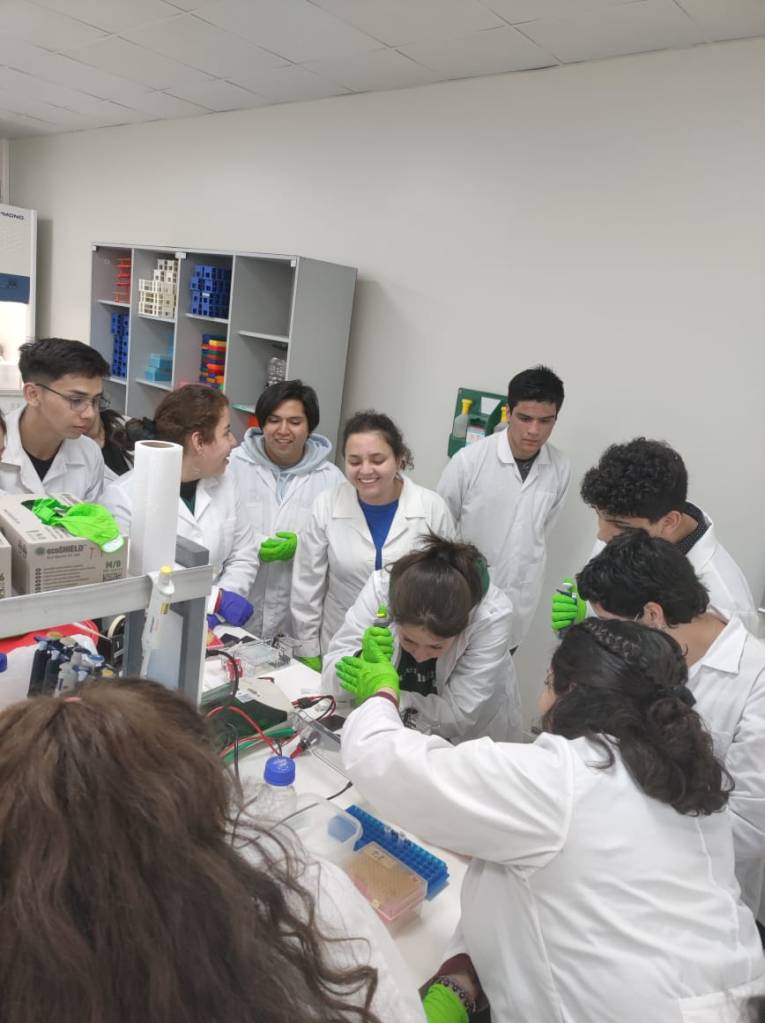
  • Our first Plant Molecular laboratory after pandemic¡¡¡¡

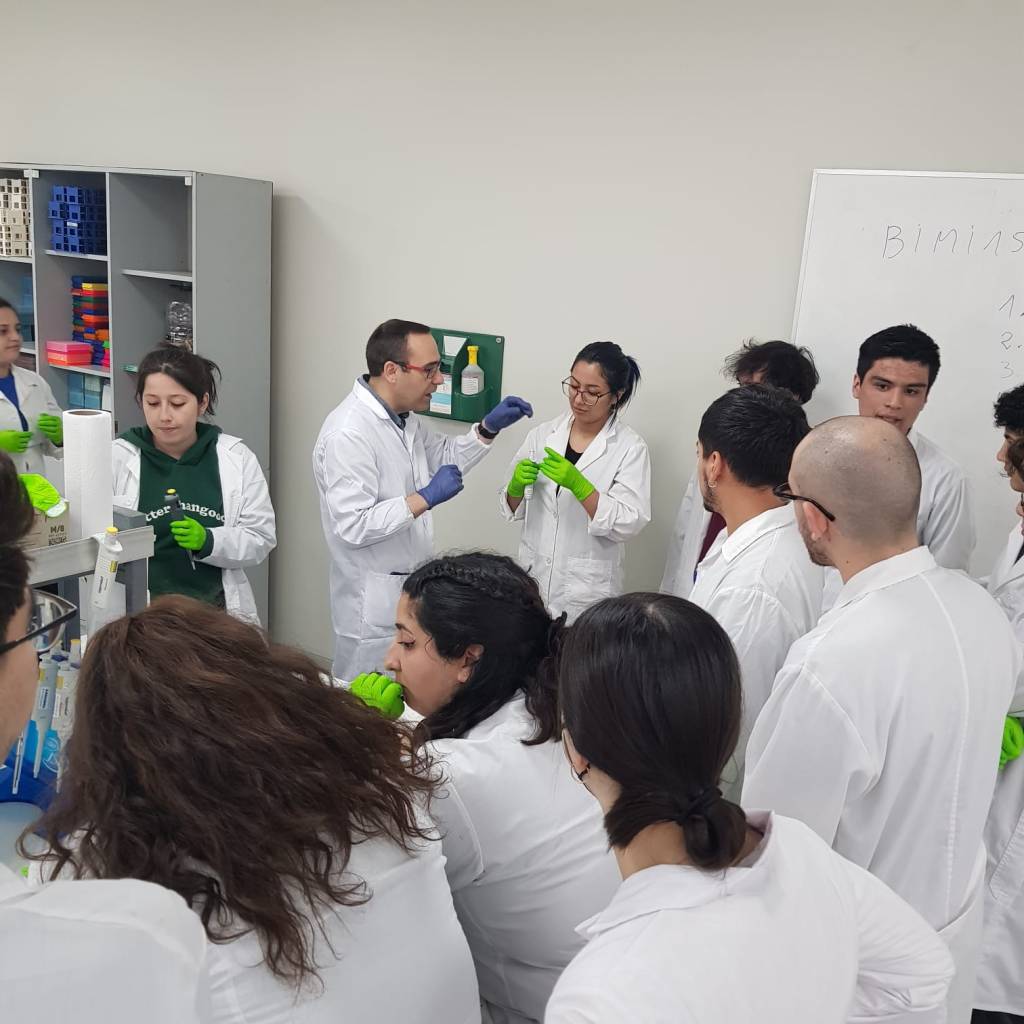
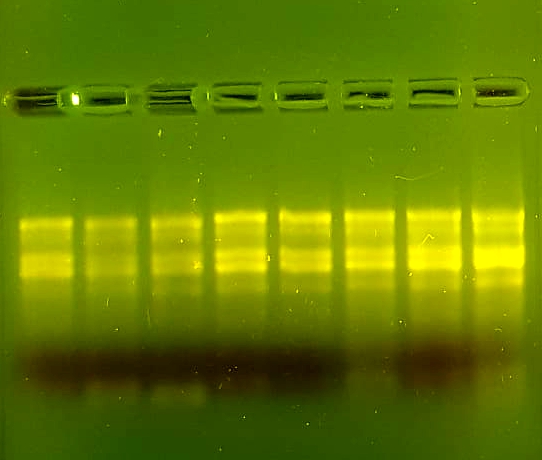
    Our first Plant Molecular laboratory after pandemic¡¡¡¡¡. Excellent start with third-year biochemistry students at Universidad Austral de Chile, extraction of high quality RNA from wheat leaves.

    Leer en español →

  • CRISPR screening

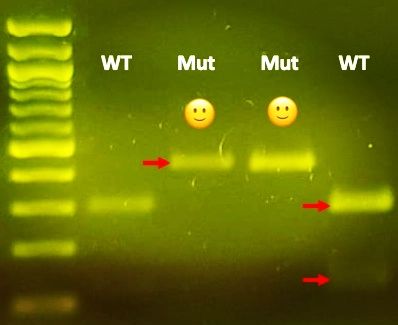
    To quickly and inexpensively detect wheat transformant plants that contain the mutation in our favorite gene generated by CRISPR, in NGPlab, we have identified restriction enzyme sites lost due to the mutation. So, if the CRISPR-Cas9 machinery managed to generate the mutation in our gene of interest, only «1 band» will be seen in an agarose gel, which cannot be digested by the restriction enzymes and will correspond to a mutant plant!!!!. This is opposite to what is observed in wild-type plants, where you will see the presence of «two bands» generated by the enzyme cutting. This way, we verify only the possible mutants by direct sequencing and optimize the lab’s resources.

    Leer en español →

  • Monthly meeting

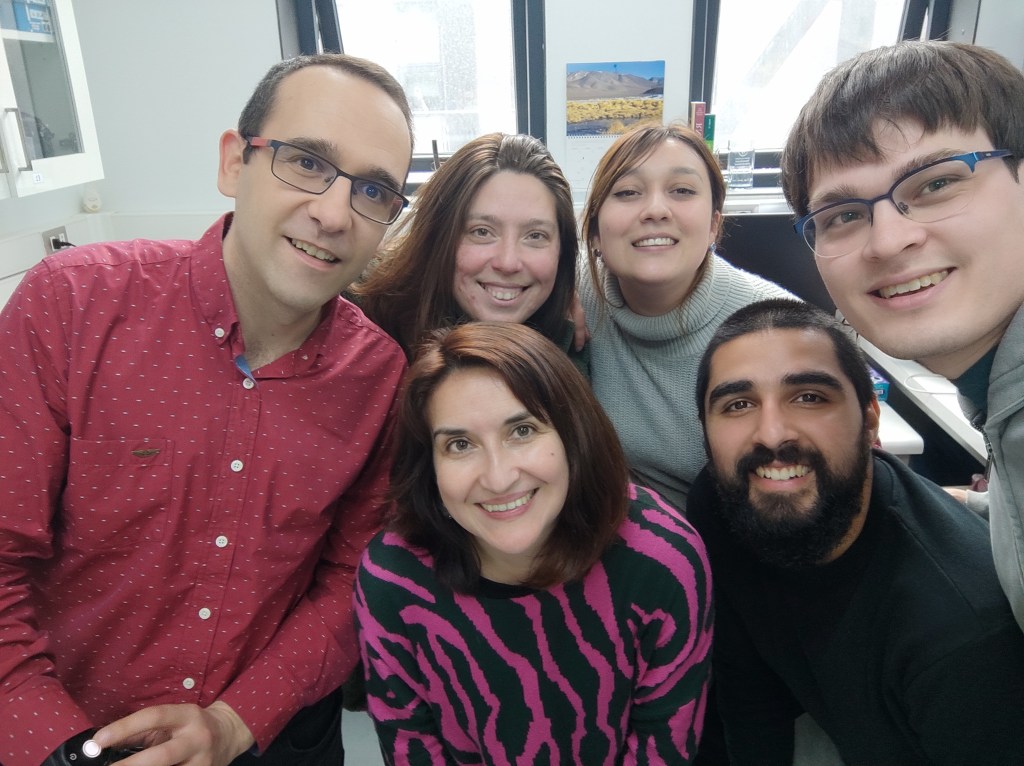
    This week we have been busy discussing new and interesting projects, but also enjoying the national holidays together.

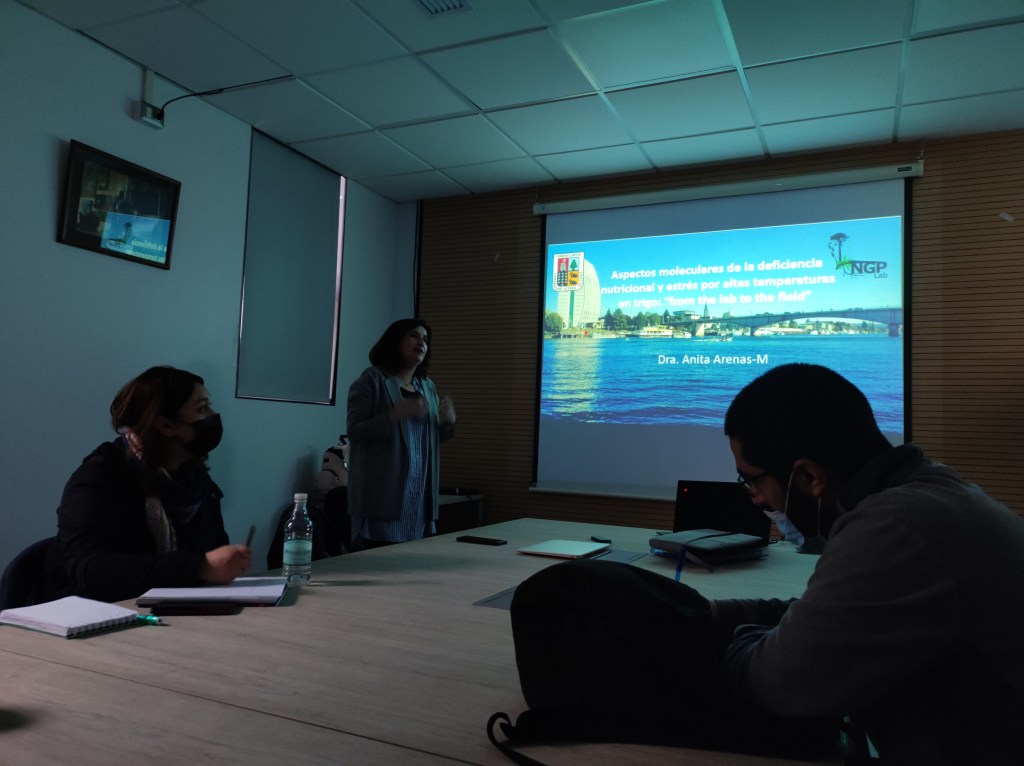
    Monthly meeting with Dra. Anita Arenas
    National holiday celebration

    Leer en español →

  • New lab facilities

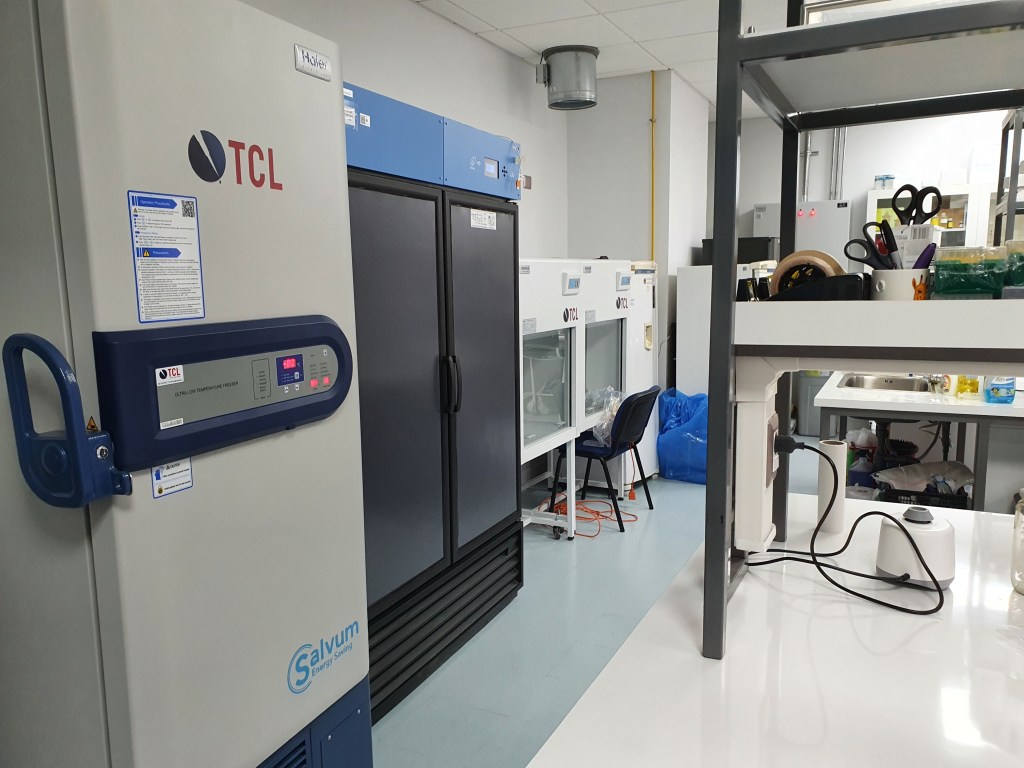
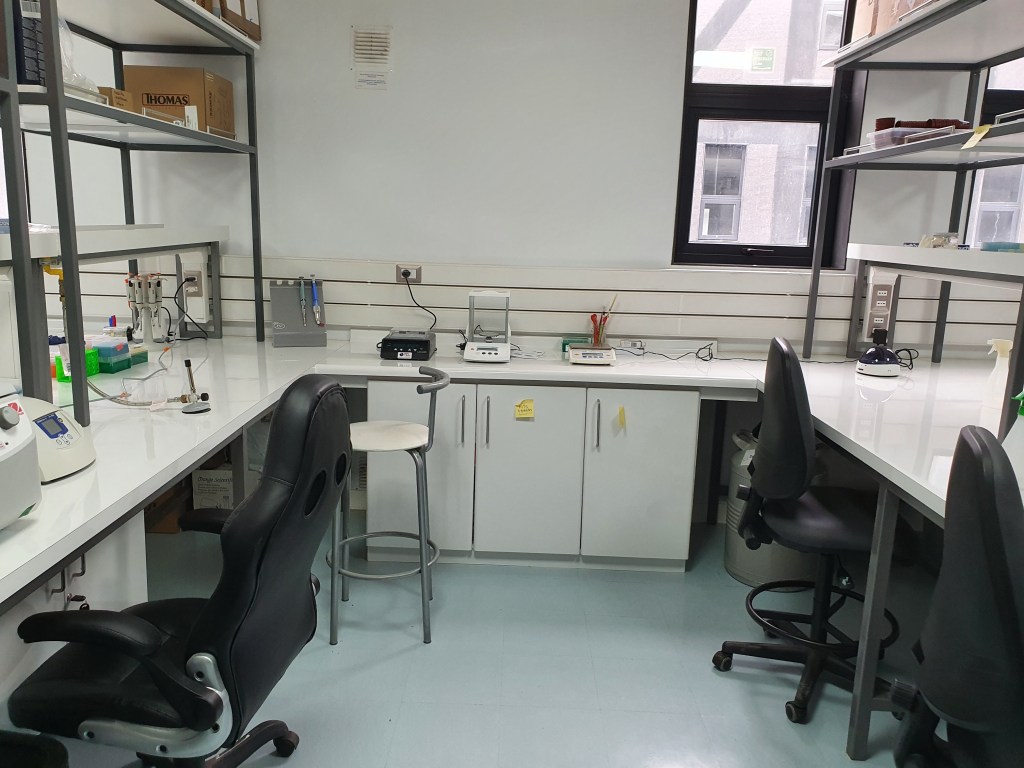
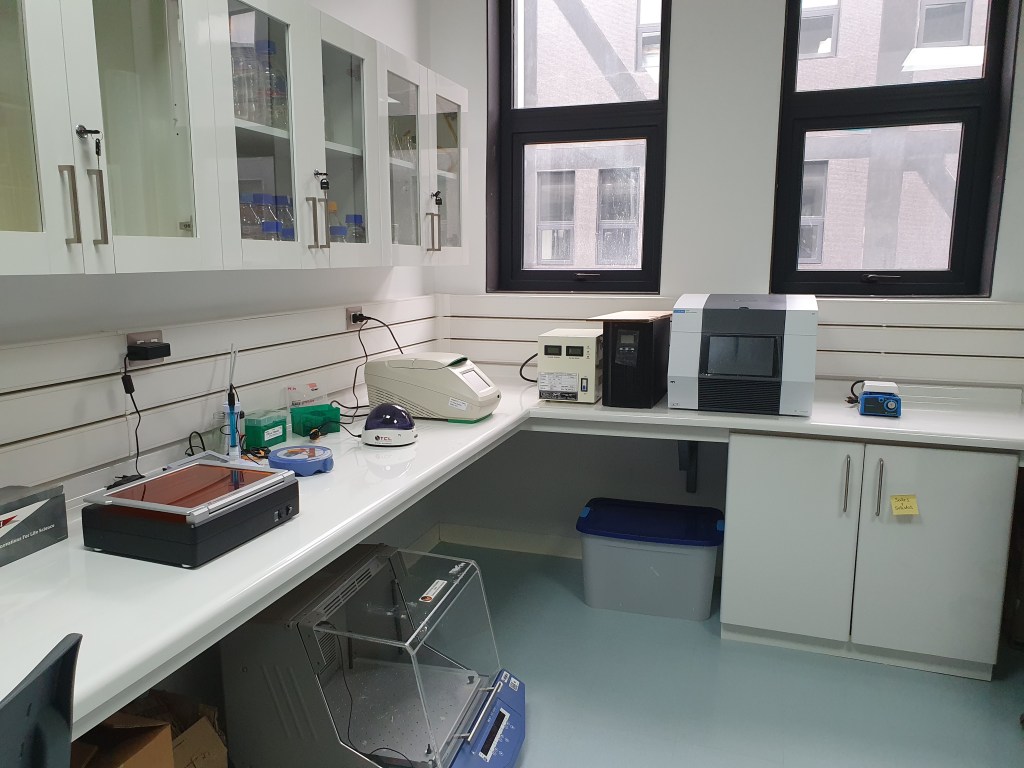
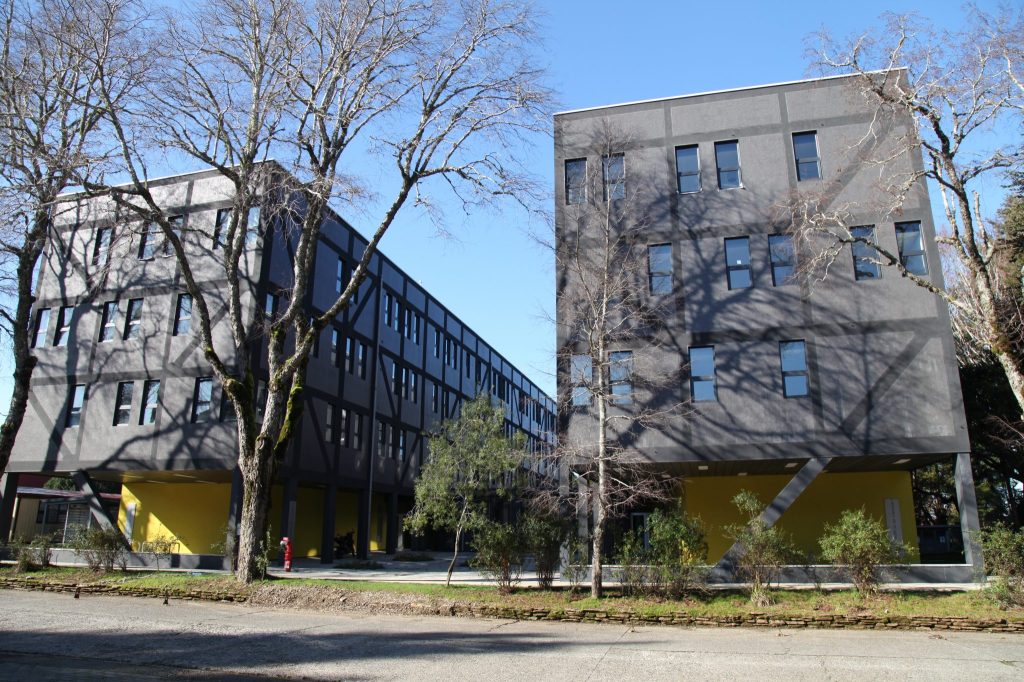
    We are very excited about the new NGPlab facilities at the Institute of Biochemistry and Microbiology (Valdivia, Chile). Very grateful to the Universidad Austral de Chile

    Leer en español →

  • NGP lab presentations at scientific conferences in 2019

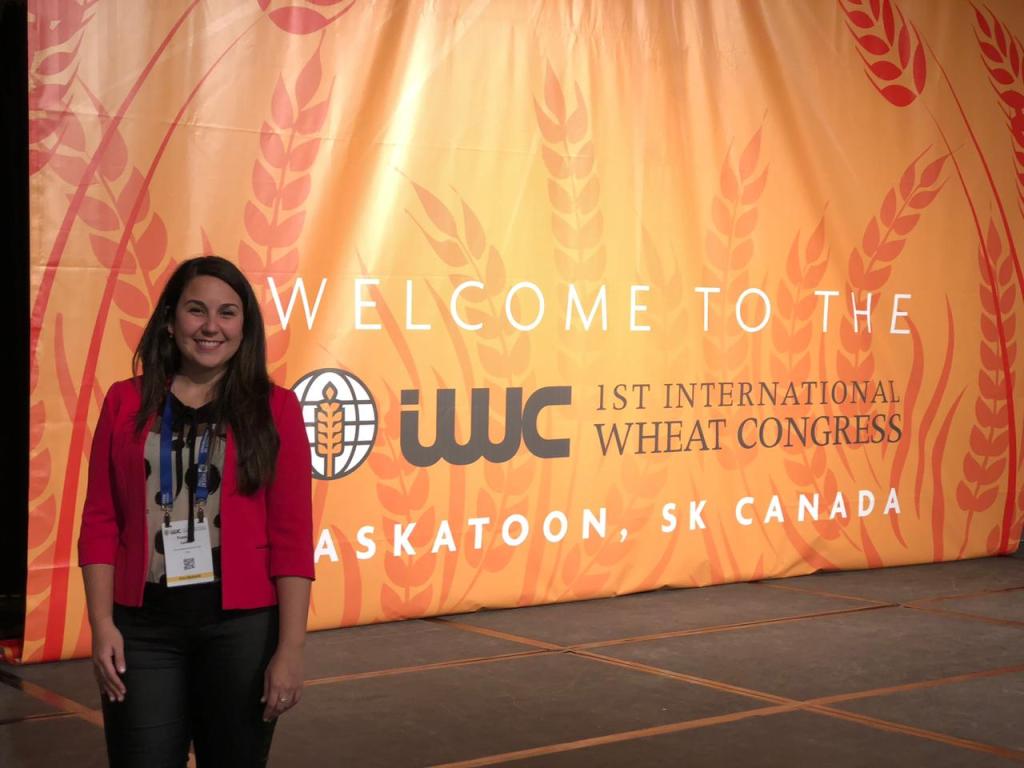
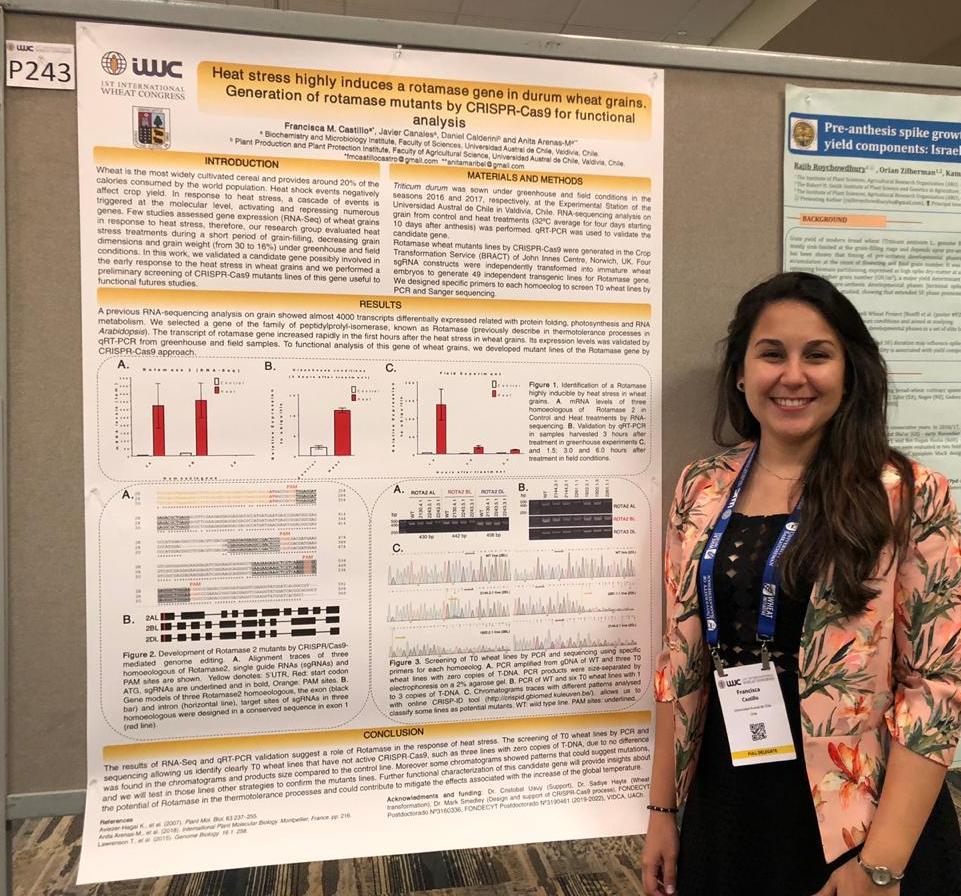
    During 2019, several members of our lab presented their research at national and international scientific conferences. First, Dr. Francisca Castillo took part in the 1st International Wheat Congress in Canada in July 2019, with a presentation titled “Identification of a Rotamase highly inducible by heat stress treatments in wheat grains and generation of CRISPR-Cas9-induced mutants for functional analysis”. Francisca was also one of only two Latin Americans awarded a fellowship to attend the congress.

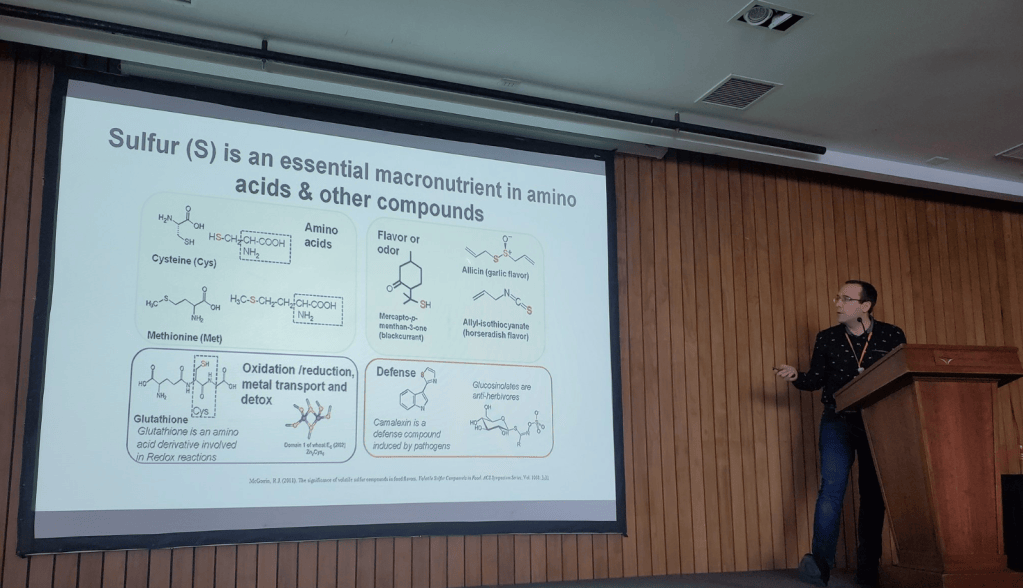
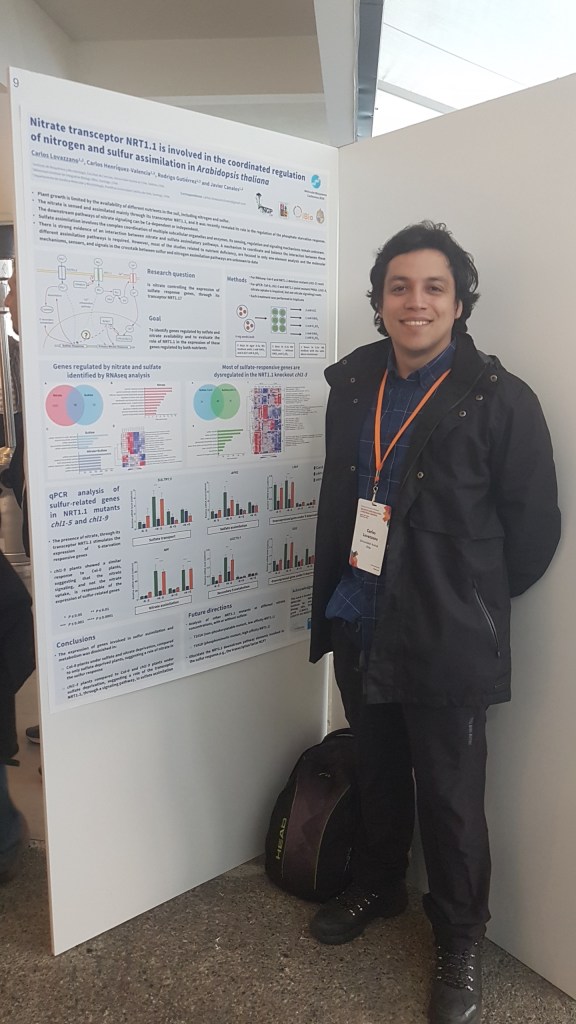
    In September 2019, our lab attended the II Molecular Biosystems Conference “Eukaryotic Gene Regulation & Functional Genomics” in Puerto Varas, Chile. There, NGP lab director Dr. Javier Canales gave a talk titled “Transcriptomic analysis reveals tissue-specific and temporal dynamics of the sulfate starvation response in tomato plants”. Carlos Lovazano (PhD student, UACh) also presented his work “Nitrate transceptor NRT1.1 is involved in the coordinated regulation of nitrogen and sulfur assimilation in Arabidopsis thaliana”.
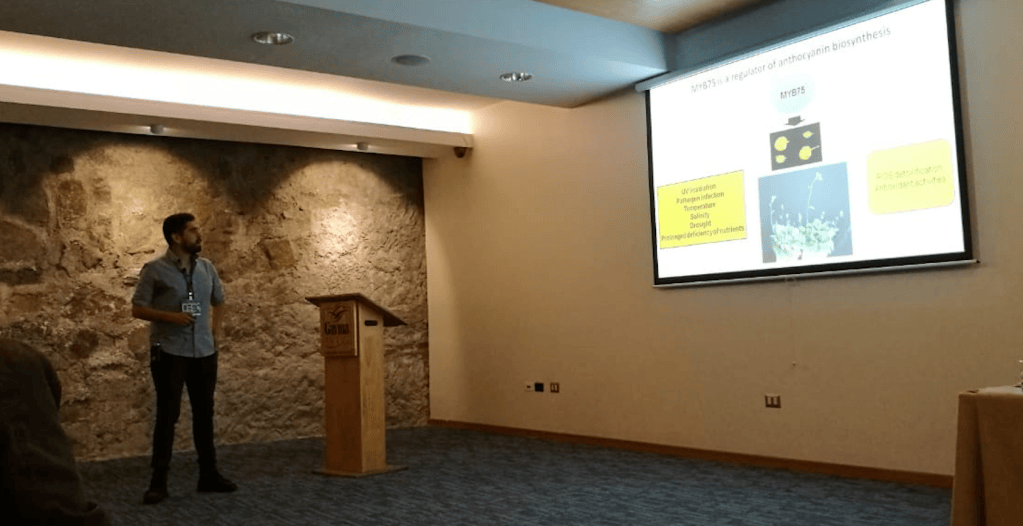
    PhD student Carlos Lovazano

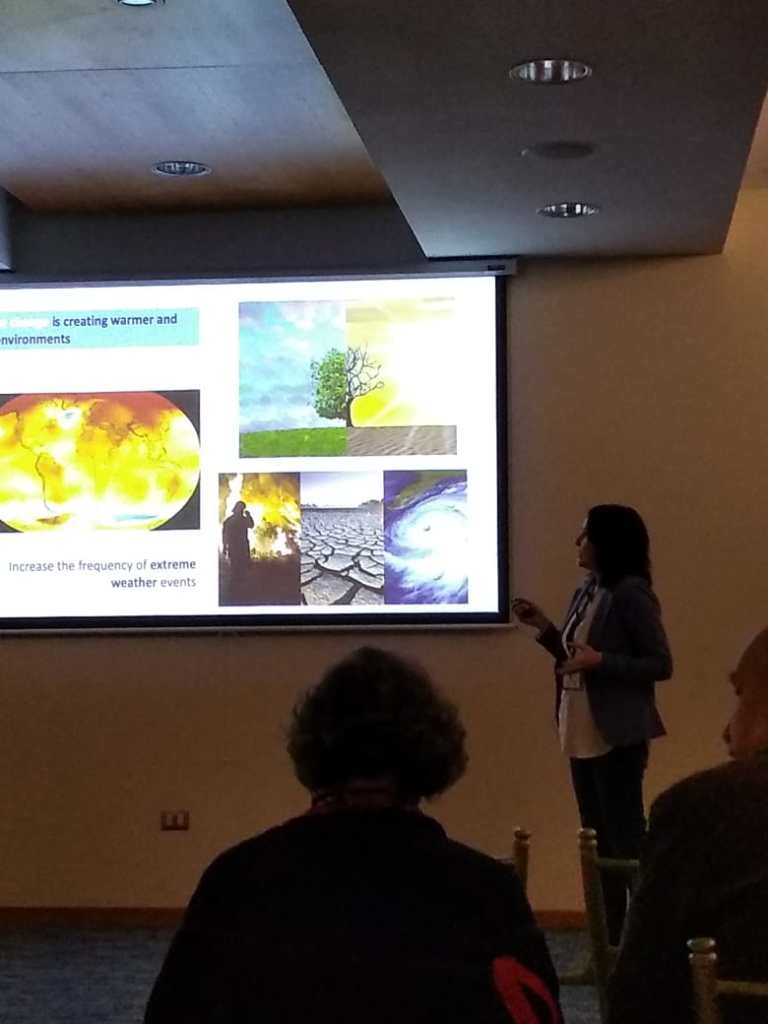
    Finally, in October 2019, the XLII Annual Meeting of the SBBMCh / XIV Annual Meeting of REBiVe took place in Iquique, Chile. This conference brought together two national scientific societies, the Society for Biochemistry and Molecular Biology of Chile and the Chilean Society of Plant Biology, under the theme “A molecular and integrative view of biological systems”. Dr. Carlos Henríquez presented his work “The transcription factor MYB75 modulates growth and the response to sulfate starvation in Arabidopsis thaliana”, and Dr. Anita Arenas presented part of her research, “Physiological and molecular characterization of grain response to heat stress in different wheat ploidies”.

    Dr. Anita Arenas

    Leer en español →